






Solving The Corn Supply Problem
US - As corn prices swell, a livestock feed and ethanol by-product could help farmers who are feeding their livestock less. 13 April 2007
 1 minute read
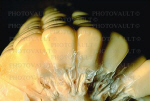 The new feed is not perfect. Owing to its high oil content, some animals can't digest it as well
 What's left behind from the ethanol-making process could be what saves the livestock industry from the high price of corn.
Ethanol, touted as the superfuel to rescue the United States from its dependence on foreign oil, has been playing havoc on the agriculture industry lately, sending corn prices to record highs - and causing some cost-conscious farmers to feed their livestock less.
Economists worry that the cycle could affect the nation's meat supply, with smaller livestock yielding less beef, pork and poultry - and sending grocery bills higher.
Mindful of the repercussions, researchers have intensified their work on a by-product of ethanol production that can be used as a high-protein livestock feed. The product, called Distillers' Dried Grain with Solubles, is left over when ethanol makers remove starch from corn during the distillation process. What remains is a mixture rich with protein, fat, vitamins and minerals.
While it's hardly a new product, the lower-cost corn substitute is grabbing the attention of more farmers and economists. That's because demand for ethanol has sent corn prices soaring.
The new feed is not perfect. Owing to its high oil content, some animals can't digest it as well, so it's unlikely to make up 100 percent of livestock diets.
And while newer plants are making a far more digestible form of DDGS and agricultural nutritionists say it's a solid protein source, its application is not universal.
Beef-producing steers, for example, do best with the feed and can use it as up to 40 percent of their diet. Lactating cows can eat the feed for about 20 percent of their diet, with pigs at 30 percent and most poultry around 15 percent, according to Gerald Shurson, professor of swine nutrition and management at the University of Minnesota, who is considered perhaps the foremost DDGS expert in the country.