





100 Years of Newcastle Disease: Returning to the origins in Bogor, Indonesia
Ceva brought together global experts, partners, customers, and colleagues to mark 100 years since the first identification of Newcastle Disease
 23 February 2026
 3 minute read
 By:
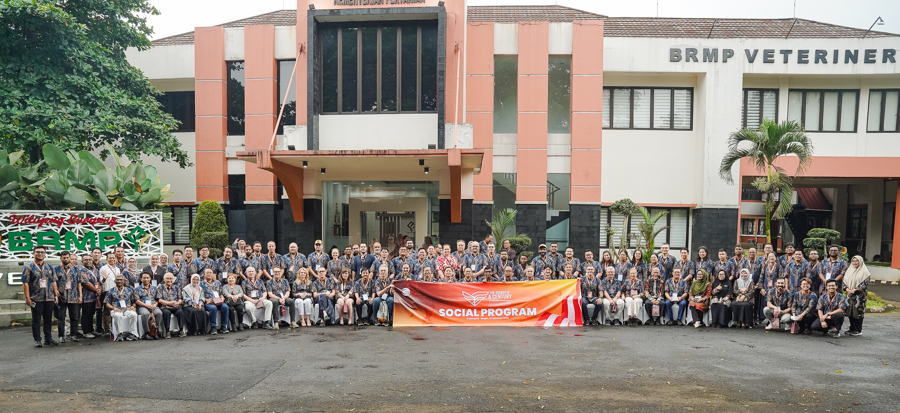
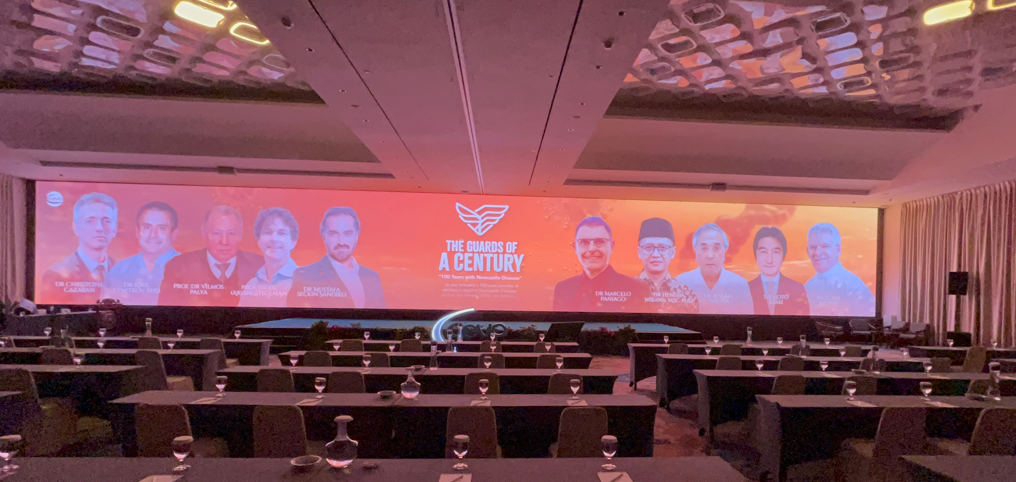
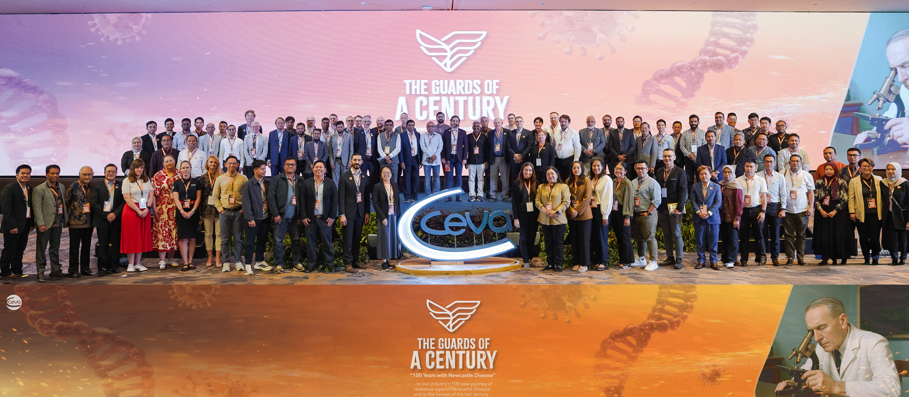
By: In Bogor, Java — the birthplace of Newcastle Disease (ND) — Ceva brought together global experts, partners, customers, and colleagues on 10–12 February 2026 to mark 100 years since the first identification of Newcastle Disease. This milestone event welcomed around 100 participants from 15 countries, all gathering to exchange expertise and explore the evolving landscape of poultry health and Newcastle Disease control.
A century after discovery: Reflecting on the evolution of Newcastle Disease science
The meeting opened with insights from distinguished global specialists, highlighting how ND knowledge has progressed over the past century — from early disease discovery, to modern ND virus classification, to today’s globally harmonized terminology. Participants revisited the scientific journey that led to innovations such as recombinant HVT‑ND vaccines, including the industry‑leading Vectormune® ND, built on decades of research, field trials, and proven protection against emerging ND challenges.
This gathering emphasized how continuous scientific advancement remains essential to securing the future of global poultry health.
Honoring legacy through science, collaboration, and global perspective
The event began with a warm welcome dinner on 10 February, followed by two days of scientific exchange that celebrated a legacy built across continents and generations. Attendees retraced the origins of ND in Bogor, Indonesia, followed its spread and understanding worldwide, and explored how today’s innovations in poultry diagnostics, vaccination, and disease control are shaping a more resilient future for the industry.
Opening keynote: Returning to where it all began
Dr. Hendra Wibawa, Director of Animal Health at the Ministry of Agriculture, officially opened the event by recounting the historic moment in 1926, when Newcastle Disease was first identified in Bogor. He also reviewed Indonesia’s evolution in ND surveillance and control over the past century, underscoring the country’s key role in ND history.
Global scientific contributions
Key contributors enriched the program with valuable historical and scientific perspectives:
- Prof. Ian Brown (Pirbright Institute, UK) revisited the earliest reporting of ND by T.M. Doyle in Newcastle‑upon‑Tyne and highlighted the importance of global collaboration in strengthening ND control strategies.
- Dr. Kiril Dimitrov (Texas A&M Veterinary Medical Diagnostic Laboratory) discussed the complexity of early ND virus classifications and the evolution toward today’s internationally accepted standardized NDV classification system — a crucial foundation for modern ND epidemiology and global research alignment.
Connecting past and future: Visiting the historic site of ND Virus identification
Participants visited Balai Besar Perakitan dan Modernisasi Veteriner, the site associated with the first identification of the ND virus. The tour of the laboratory, museum, and library provided a symbolic and emotional moment — connecting scientific legacy, responsibility, and the shared commitment to the future of poultry health.
Innovation in vaccination: Tracing the journey of Vectormune® ND
On the second day, scientific sessions focused on the evolution of ND vaccination:
- Dr. Atsushi Yasuda and Dr. Moto Esaki recounted the early development of the HVT‑F vaccine beginning in 1985 — a story driven by scientific curiosity, persistence, and innovation. Their work laid the foundation for Vectormune® ND, now a reference ND vaccine worldwide.
- Prof. Dr. Vilmos Palya, Ceva’s scientific expert, detailed the extensive research supporting Vectormune® ND and its ability to induce strong, reliable immune responses across diverse poultry production systems.
- Prof. Dr. J.A. Arjan Stegeman (Utrecht University) presented evidence showing the vaccine’s ability to reduce NDV transmission, particularly against velogenic genotype VII NDV, a major challenge in today’s poultry industry.
- Dr. Marcelo Paniago, Ceva consultant, shared comprehensive trial data confirming that Vectormune® ND continues to provide robust protection against emerging NDV genotypes, reinforcing its value in modern ND vaccination programs.
Commitment to poultry producers and global food security
As the event drew to a close, Mustafa Seçkin Sandikli reminded participants that scientific innovation is not a destination, but an ongoing commitment — a commitment to producers, to animal health, and to global food security. He emphasized that Vectormune® ND has demonstrated proven results across multiple NDV genotypes and challenge conditions, securing its place as a cornerstone in ND prevention strategies.
Moderated by Mustafa Seçkin Sandikli and Christophe Cazaban, Poultry Scientific Director, the event concluded with a shared recognition of the industry's responsibility to drive future progress.
A symbol of unity and scientific legacy
Reflecting on the event, Dr. Sandikli highlighted the significance of the signature board created for participants:
- a tribute to 100 years of scientific achievement
- recognition of the dedicated individuals who shaped ND science
- a symbol of collective commitment to the future of poultry production
“I am incredibly proud of this gathering and deeply grateful to everyone who contributed — speakers, participants, partners, and our teams. Here’s to the next century of science, collaboration, and unwavering dedication to animal health and global food security. Together, we continue the journey.”
Learn more about Newcastle Disease
Ceva ND resources
https://poultrycontent.ceva.com/newcastle-disease