


AAAP: Bioaerosols in poultry houses
Bacteria with antimicrobial resistant genes can be airborne in a poultry barn
 26 January 2026
 1 minute read
 By:
By: [Excerpts of a presentation at the 2025 annual meeting of the American Association of Avian Pathologists]
Bioaerosols in poultry houses are composed of a wide variety of microorganisms including bacteria, archaea, virus and fungi. Bacteria having antimicrobial resistant genes (ARGs) can be airborne within the poultry barn, can be transmitted to animals and poultry workers and can be a serious concern.
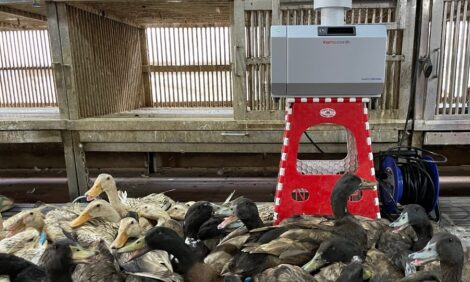
A study by Awais Ghaffar and colleagues at the University of Calgary, Canada, was aimed at characterizing the resistome and microbiome from bioaerosols of layer chicken barns across Alberta. A total of 15 barns (9 cage housed and 6 floor housed) were sampled in this study with a microbial air sampler, followed by shotgun metagenomic sequencing.
Bacilliota, Actinomycetota, Bacteroidota and Pseudomonadota were the top four phylum in bioaerosols of cage housed poultry barns, while Bacilliota, Bacteroidota, Pseudomonadota and Actinomycetota were the top phylum in floor housed systems. Klebsiella pneumonia and Corynebacterium ulcerans were found significantly more in cage housed barns compared to floor housed barns. Potential pathogenic bacterial species including Staphylococcus aureus and Salmonella enterica were found more in floor housed layer barns compared to cage housed barns. Campylobacter jejuni was found more in cage housed systems than in floor housed systems.
Resistance to tetracycline, lincosamides and macrolides was seen more in cage housed bioaerosols compared to floor housed bioaerosols. Aminoglycosides resistance was found more in floor houses bioaerosols. Both microbiome and resistome issues appeared more in cage housed air as compared to floor housing air. The presence of potential pathogenic microorganisms and antimicrobial resistant genes to various classes of antibiotics in bioaerosols presents a health concern to both layers and humans.