





IPPE: Sensors built for every poultry house: Why one-size-fits-all doesn’t work
dol-sensors explains how customized climate sensors accurately monitor temperature, humidity, ammonia and CO₂ and last longer than normal sensors
 9 March 2026
 2 minute read
 By:
By: Jeppe Djernes Sinding, area sales manager at dol-sensors, recently spoke to The Poultry Site’s Sarah Mikesell at IPPE 2026 in Atlanta, Georgia, USA.
Every farm and production system is set up differently. How does dol-sensors collaborate with customers to deliver sensor solutions that are tailored to their specific needs rather than a one-size fits all approach?
One-size fits all is just not possible because we know from the market that we have a lot of different controllers, and they have different inputs. With climate sensors, there's a lot of different inputs, and we need to adapt to all of them. Of course, we know it's vital to measure temperature, humidity, CO2, ammonia, pressure and light intensity. Then we strive to have a version that fits them all, but one sensor does not fit all. That is why we have different versions that give different outputs, so we can deliver sensors to all the different farm controllers in the industry.
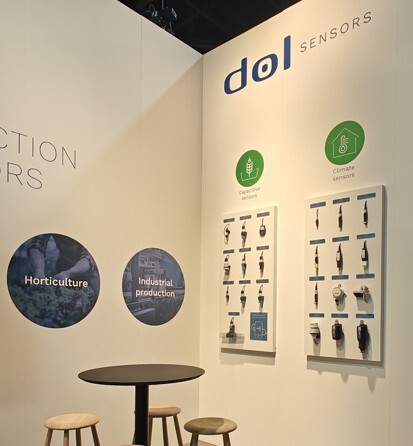
Looking behind me at the display in the dol-sensors’ booth, you have a lot of options for people to choose from.
We do, but looking at this board, that's just a few. It's all the different sensors we have, but then we have about 10 types of humidity sensors because with different outputs we need to be able to deliver to any kind of controller.
When it’s time to change a sensor or a customer is ready to try something different, they should talk to a sales team member to determine what works best for their system, right?
Yes, we need some information about what type of controller you are working with, then we can adapt and find the right sensor for your setup.
Livestock houses are tough environments with dust, humidity, ammonia and frequent high pressure cleaning. How are dol-sensors’ products engineered to perform reliably under these demanding conditions?
We have 40 years of experience in making sensors for livestock houses. From the start, our task has been to develop a sensor that is capable of being used in a livestock house and lasting in the house. Often, we see that our sensors are living six to eight years in the houses, and that's why we want to make them robust. The next step is to maintain and ensure that they are working and delivering valuable, accurate data.
Your sensors really have to stand up to all the environmental pressures, and they're being used 24/7?
Yes, we measure continuously when we are measuring climate. We also have a selection of capacitive sensors to start and stop the feed processes. There, we are in contact with feed and can help ensure a smooth process, so animals get all the feed they need.
Is there an annual calibration process for your sensors?
Once it's set up, it measures continuously. The only concern might be that when you're cleaning your house, our recommendation is to remove the sensors. We are also focusing on making them able to withstand high-pressure cleaning and have developed a protection cap for a lot of our climate sensors.

Sarah Mikesell
Sarah Mikesell grew up on a five-generation family farming operation in Ohio, USA, where her family still farms. She feels extraordinarily lucky to get to do what she loves - write about livestock and crop agriculture. You can find her on LinkedIn.