





Precision matters: tackling quality issues in on‑farm vaccination
Automation transforms vaccination into a traceable, well‑controlled operation that supports performance metrics.
 By:
By: The vaccination of pullets is a cornerstone of flock protection for layers and broiler breeders. Executed correctly, it helps keep egg production steady and ensures breeders transfer strong, uniform maternal antibodies throughout their productive life. By building early, uniform immunity, producers set the stage for consistent flock performance and healthier starts.
Effectiveness depends on giving each bird a precise, individual dose at the right site. The task is exacting, and when speed overrides method, quality drops and coverage becomes inconsistent. By enforcing meticulous technique and adopting automated solutions, teams can keep vaccination quality high for every bird and sustain flock performance. Maintaining a steady cadence and using visual aids reduces avoidable variability as volumes increase. Real‑time feedback loops make it easier to correct minor deviations before they spread.
On‑farm vaccination challenges
Carrying out vaccination on farms is challenging: teams change, training is uneven, and workflows are not always standardized. Because facilities and flock sizes differ greatly, practical vaccination methods need to adjust to these varied contexts. Practical, visual SOPs and regular coaching sessions help teams deliver the same standard everywhere.
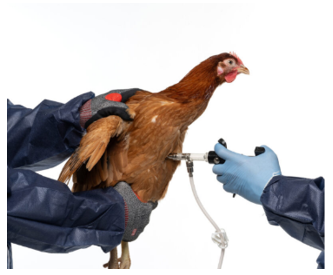
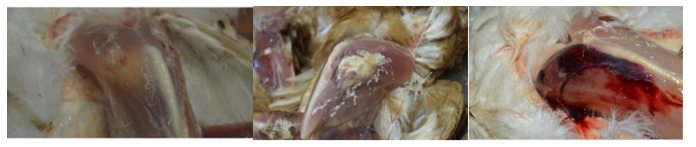
Because it is easier than the subcutaneous route, intramuscular injection is commonly chosen. But with manual syringes, quality hinges on the individual vaccinator. Inconsistent dosing, inaccurate needle placement, bird injuries, subcutaneous delivery, and backflow are frequent issues, while oily adjuvants create a serious self‑injection risk. The best mitigation is to constrain technique variables mechanically and electronically. Where that is not possible, robust training and calibration protocols are needed.
Because the task is repetitive and demanding, manual vaccination induces fatigue. Over the course of the day, this can erode handling precision and the overall quality of injections, with consequences for welfare hence the ongoing challenge of maintaining reliability. Managing workload and improving ergonomics are therefore key levers to stabilize quality across shifts.
Ceva IMVAC Safe improves injection quality
Transitioning away from manual syringes to automated equipment ensures steady, high‑quality results and reduces the likelihood of operator injury or self‑injection.
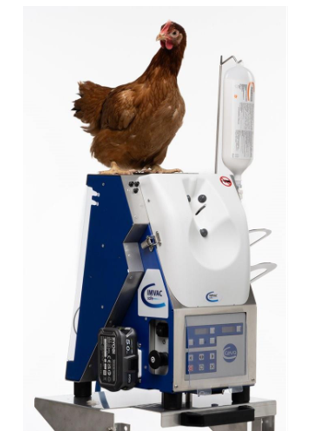
IMVAC Safe places the entire dose at the intended location in the breast muscle with exceptional precision and consistency. Injection numbers are monitored in real time to match vaccine orders with the tally of vaccinated birds. Such monitoring enables precise dose planning and transparent accounting of birds treated.
Placement of the bird on the anatomical mold engages a trio of sensors. The system fires only under correct positioning, providing one or two injections at the same time with total accuracy, and electronics ensure the full dose is deposited intramuscularly. In practice, the gatekeeping logic reduces handling variance and keeps the process steady.
Thanks to a patented angle and depth control, vaccine spreads efficiently through muscle tissue, reducing backflow, supporting absorption, and boosting immunological response. Consequently, immune responses tend to be more consistent from bird to bird.
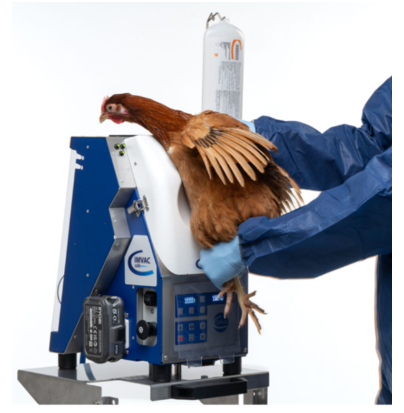
Four dedicated breast plates allow IMVAC Safe to cover layers and breeders at any age or weight. The patented sensing approach triggers injection only with correct placement, aligning handling time and reducing needless handling. As a result, teams can work at a steady pace despite variations in bird size.
Integrated daily and flock counters track activity; if a bird is withdrawn before completion, the system alarms and marks it ‘non‑fully vaccinated’ so that process control is maintained for the entire session. It also provides the data needed to intervene quickly and close flocks with confidence.
Full operator safety and reduced work hardship
When in use, the hardware keeps needles, pistons, and syringes enclosed. The three‑sensor trigger permits injection only under proper positioning, which virtually eliminates self‑injection risk. The approach materially reduces exposure and reinforces safe working habits.
In a five‑year dataset, every recorded vaccination accident involved manual syringes, whereas electro‑pneumatic solutions including IMVAC Safe had no accidents at all. The comparison clearly points to the safety benefits of up‑to‑date equipment.
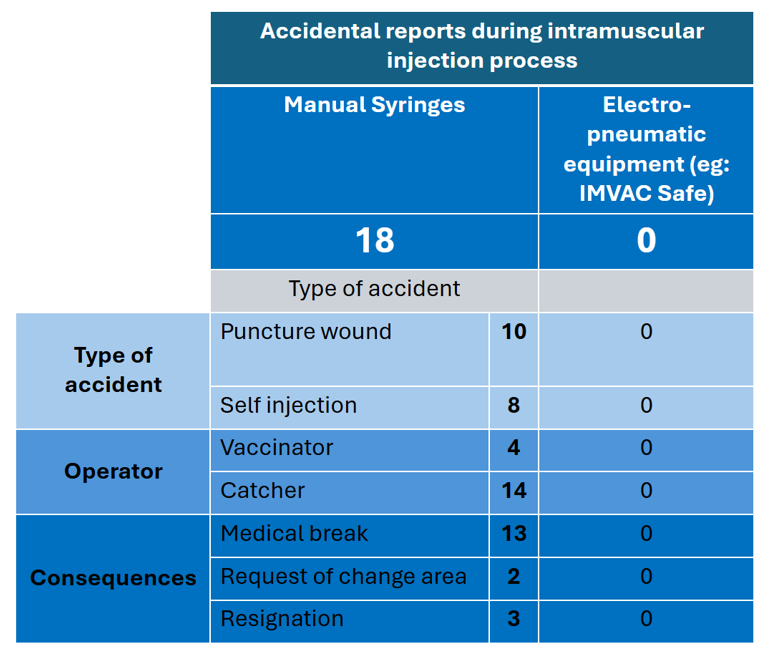
Table 1. Accident reports with injection equipment, during IM vaccinations in laying hens in the raising phase on an intensive breeding farm in the Southern Area of Lima.
Automated processes lower physical demands and lessen hardship. Enhanced ergonomics allow staff to maintain quality all day, which helps protect workers and birds alike.
Biosecurity and operational efficiency
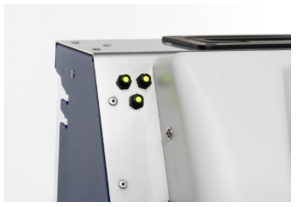
With IMVAC Safe, operators benefit from visual guidance for positioning and confirmation of correct injections at throughputs up to 1,200 birds per hour. After use, cleaning and disinfection are straightforward, sustaining biosecurity for future sessions. Efficient wash‑down and disinfection limit carryover from one session to the next.
Conclusion
Vaccination has become a core lever of flock health, productivity, welfare, and workforce sustainability. By moving from manual methods to automated equipment like IMVAC Safe, farms achieve precise, repeatable injections while improving operator safety and reducing hardship key drivers of durable performance. Overall, automation transforms vaccination into a traceable, well‑controlled operation that supports performance metrics.


 6 July 2026
 1
minute read
1
minute read