





Spray vaccination in poultry: Best practice for uniform flock protection
How to achieve uniform vaccine coverage with poultry spray vaccination through droplet size, storage, equipment, and application from Aviagen.
 3 July 2026
 3 minute read
 By:
By: Key Takeaways
- Spray vaccination is the preferred mass-administration method for live respiratory vaccines (NDV, IBV) and can also deliver IBD and Reovirus vaccines.
- Droplet size drives outcome: coarse droplets (>100µm) give safer, more uniform upper-respiratory-tract vaccination; fine droplets (<70µm) reach the lower respiratory tract and increase reaction risk.
- Spray planning: calculate spray time and water volume before vaccination to ensure uniform flock coverage.
- Storage: keep vaccines at 2–8°C (35–46°F) at all times, including transport.
- Application: hold the sprayer lance ~1m (3.3ft) above the floor, parallel to the ground, and stop ventilation for a minimum of 10 minutes after spraying.
- Validate: confirm immune response afterward using serological or molecular diagnostics.
Spray vaccination is a practical and effective method for mass-administering live vaccines to poultry flocks. Suited to field use, it aims to deliver a full vaccine dose to every bird with minimal disruption to the house. Done correctly, it supports consistent protection, strong flock performance, and reliable vaccine distribution as part of a wider health programme.
Respiratory vaccines auch as Newcastle Disease Virus (NDV) and Infectious Bronchitis Virus (IBV) are most commonly delivered this way, but vaccines normally given in drinking water, such as Infectious Bursal Disease (IBD) and Reovirus, can also be spray-applied. Whichever vaccine is used, the goal is the same: an even, effective dose to each bird's respiratory and/or digestive system.
Preparing for vaccination
Good preparation is what makes spray vaccination reliable. Start by consulting a qualified poultry veterinarian to design a programme suited to flock age, production type, vaccine availability, and local disease pressure.
Keep sprayers dedicated to vaccine use only — never repurpose them for chemicals or disinfectants. Battery-operated sprayers built specifically for poultry vaccination are preferred over manual units, since they give more consistent output, better droplet control, and more uniform coverage.
Why droplet size matters: it determines where the vaccine lands in the respiratory tract.
- Fine droplets (<70µm) reach the lower respiratory tract, which raises the risk of post-vaccination reactions.
- Coarse droplets (>100µm) settle in the upper respiratory tract, giving safer, more uniform vaccination and better uptake.
If manufacturer guidance isn't available, test sprayer output using a measured volume of water to work out seconds per litre, then do a full test walk through the house at normal pace to gauge spray time and reach. Use these figures to plan routes, sprayer numbers, and total water volume. Two complete passes are recommended for uniform coverage.
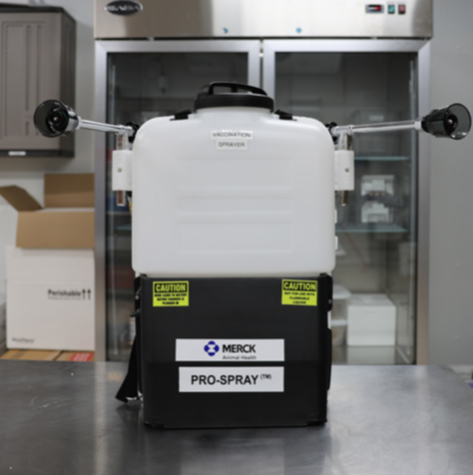
Figure 1. A designated sprayer
Vaccine handling and biosecurity
Correct handling preserves vaccine efficacy and protects flock health.
- Store vaccines in a dedicated refrigerator at 2–8°C (35–46°F), using min/max thermometers to monitor stability.
- In transit, keep vaccines within this range using insulated coolers and ice packs. Don't let vials touch the ice packs directly.
- Use cool distilled water below 20°C (68°F) to prevent thermal degradation of potency. If distilled water isn't available, the source must be free of pathogens, excess minerals, and disinfectant residue.
- Always add a vaccine stabiliser containing dye to the water before mixing in the vaccine. This preserves viability and lets you visually confirm even coverage as you spray. (Figure 2.)
- Prepare vaccine in a clean, biosecure area, wearing disposable gloves, a mask or respirator, and safety glasses.
- Mix enough for one house at a time only, to avoid confusion and protect efficacy.
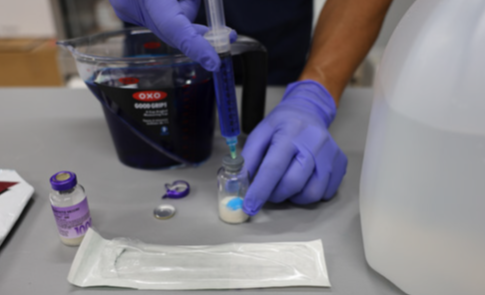
Figure 2. Transfer the stabilizer-dye solution into the vaccine vials.
Applying the vaccine
Environmental conditions matter as much as technique.
In environmentally controlled houses, dim the lights before spraying to reduce bird movement, and turn off ventilation and heating for a minimum of 10 minutes after spraying so the vaccine can settle. In open-sided houses, close the side curtains and turn off fans during spraying, keeping them closed for 10 minutes afterward to limit air movement.
Spray during the cooler part of the day (early morning is best), especially in summer or hot climates.
Hold the sprayer lance parallel to the ground, about 1m (3.3ft) above the floor, directed to one side of the house. Walk at a steady, consistent pace, spraying in a side-to-side sweeping motion for even coverage. (Figure 3.)
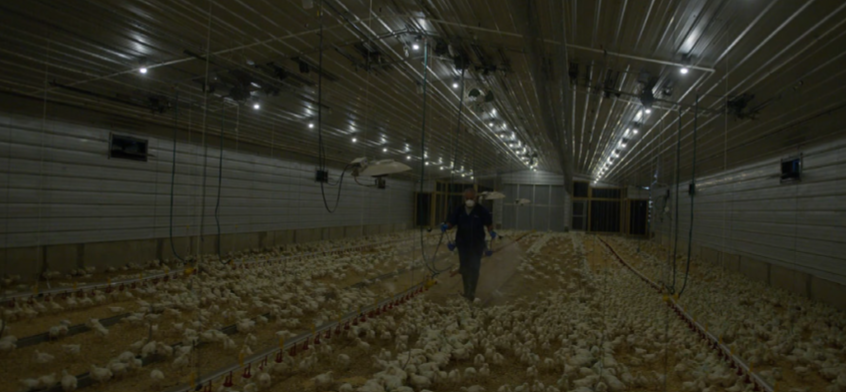
Figure 3. Hold the sprayer lance 1m (3.3ft) above the ground, spraying parallel to the floor. (Image courtesy of ANA Services and Training & Development Teams)
After vaccination: validation and records
Once 10 minutes have passed, restore normal environmental controls.
Record the essentials: vaccine type, manufacturer, lot number, expiry date, water volume used, and vaccination date.
Clean sprayers thoroughly: rinse, alcohol disinfection, then a final rinse and then air-dry before storage. Charge, inspect, and store equipment in a clean, dry area until next use.
Finally, confirm the vaccination worked: assess immune response using serological or molecular diagnostic methods.
Conclusion
Spray vaccination, carried out with disciplined preparation, precise technique, and systematic validation, delivers uniform protection across the flock. Following best practice consistently helps producers and partners maintain vaccine performance, support bird welfare, and protect flock health outcomes.
Related reading: Infectious Bronchitis in Poultry | Newcastle Disease and other infectious diseases | Biosecurity Best Practice for Poultry Houses