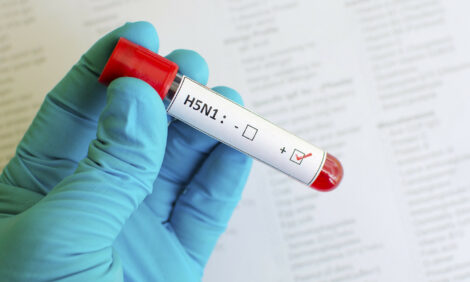






Red Mite Awareness Month aims to halt £100m UK poultry sector losses
Between 60-85% of commercial egg-laying farms are infested with red mites at any given time 30 June 2025
 4 minute read
 By:
By: A major new Red Mite Awareness Month is being held in July to help fight an issue that is costing the UK poultry industry more than £100m a year.
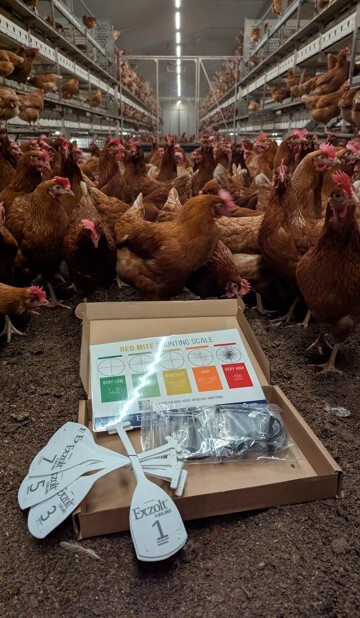
MSD Animal Health is launching the new awareness campaign in a bid to encourage laying and breeding businesses to actively monitor the red mite burden on their farms and is providing free monitoring packs.
Between 60-85% of commercial egg-laying farms are infested with red mites at any given time1 and MSD Animal Health research suggests a moderate infestation may cause losses of 50 pence a bird in productivity, while a severe infestation could cost as much as £2.17 per bird a year.
The national UK breeding and laying flock currently has 55 million birds and this means red mites could be costing the industry as much as £101.45 million a year.
For an average farm with 24,000 birds2, this means each business could be losing as much as £52,000 a year if they have a severe infestation.
The goal of Red Mite Awareness Month is to encourage egg producers to be more proactive in their approach to red mite monitoring as this will not only help to improve bird welfare but also the productivity and profitability of the industry.
MSD Animal Health Poultry Veterinary Advisor, Katie Pitman, says: “Red mite are a constant threat to poultry farms, but few realise just how much this issue is costing the industry.
“From impacting egg production and disease transmission through to significant increases in mortality rates, red mite are costing our industry millions each year in terms of bird health and production, and we’ve got to work together to tackle the issue.
“The first step is understanding the scale of the challenge and that’s why we’re launching Red Mite Awareness Month to encourage everyone to monitor red mite infestations on their farm.
“Few understand the true scale of a red mite burden on their business as they only come out at night. We’re providing free monitoring packs that are simple to use and provide an easy way to quickly measure the level of infestation. Plus, we are also providing free refills as it’s really important to regularly check red mite levels.”
Red mite feed on the blood of chickens and the bites are painful and induce skin irritation in birds, this leads to high stress levels that impact feed intake and reduce egg production and quality.
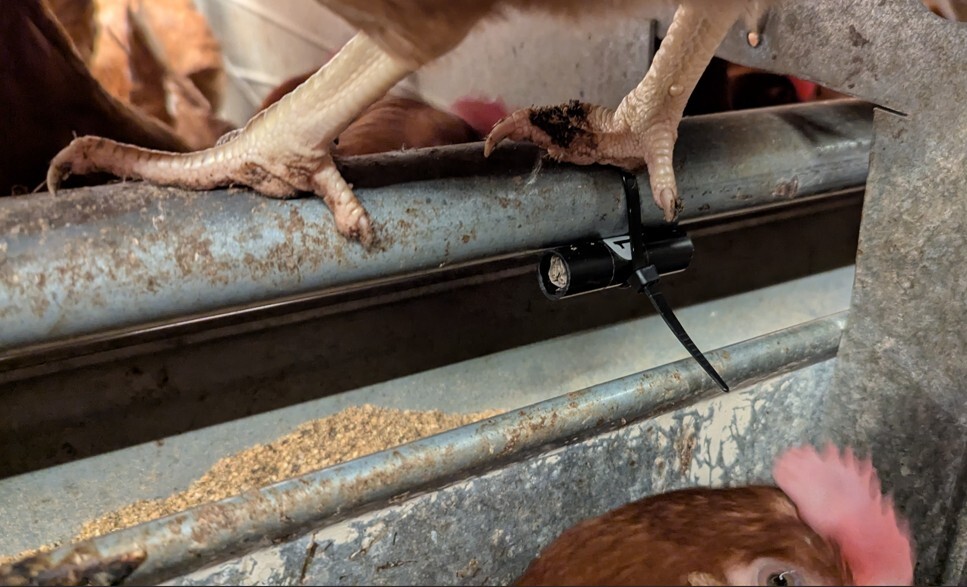
Infestations of red mite can cause anaemia in the birds, higher rates of mortality and, critically, can also increase the spread of disease.
MSD Animal Health red mite ambassador and leading poultry vet with Poultry Health Services, Alistair Chilcott, says: “There’s probably not a shed in the world without red mite – it is a major problem. If a producer says they don’t have red mite, it means they aren’t looking.
“The impact of red mite on the bird and the business can be dramatic. The problem can be quite insidious, and many people don’t realise the scale of the effect it is having.
“Red mite are an ever-present threat, and it is an ongoing battle. Tackling red mite is all about management and it is really important to monitor and measure – that’s what Red Mite Awareness Month is all about.”
Good hygiene and biosecurity measures are key to combatting red mite but Exzolt® from MSD Animal Health is one of the most successful ways of killing off a red mite infestation.
Exzolt is simply added to the drinking water for chickens and in two treatments, it completely eliminates over 99% of red mites.
Containing the antiparasitic Fluralaner, Exzolt is a fast, simple and effective treatment. It removes the need for acaricidal chemical sprays and helps to also improve working conditions for staff.
Alistair adds: “Nothing touches Exzolt in terms of efficacy and effectiveness. It simply works and you know it will kill all the red mite that feed.
“It’s false economics to think of Exzolt as expensive. You can waste hours on alternative solutions that aren’t as effective, and you can be sure that a red mite infestation is costing you more than an Exzolt treatment.”
St David’s Poultry Team vet Matt Balfour stresses the importance of red mite monitoring. He says: “We are working on extending the laying cycles of birds and red mite management is a critical part of that along with other health and management controls.
“With a strategic approach, we are seeing laying cycles beyond 100 weeks in some cases, generating both welfare benefits and maximised eggs per bird. This is a win-win situation as it both benefits the bird and also makes the farm more profitable and productive.
“As part of the strategy to achieve this, you need to understand the red mite burden and monitoring, usually around every eight weeks, is key. Monitoring should be a critical element of a strategic approach.
“Over recent years I have noticed a change in the perception of red mite across the industry and a greater appreciation of the negative impact they have on bird health and productivity. The ability to massively reduce the population of red mite over a short timeframe using Exzolt has demonstrated to many managers the true impact of these parasites on egg production and flock livability.”
To get involved in Red Mite Awareness Month and get a free monitoring kit, visit https://www.msd-animal-health-hub.co.uk/Poultry/Exzolt/Monitoring
References
1 MSD Animal Health “The Threat of Poultry Red Mites / Mul M. Fact sheet: the poultry red mite, Dermanyssus gallinae (De Geer, 1778) A small pest that packs a big punch. Wageningen UR, 2013.
2 Farm Business Survey 2022/23 Poultry Production in England Richard Crane, Stephen Douthwaite and Elspeth Organ.