







Antibiotic-free and reduced antibiotic use in broiler production: Gut health
A practical guide to supporting gut tissues, microbiota, and immunity across the bird’s lifecycle
 By:
By: Produced as part of Aviagen's new Broiler Gut Health Toolkit
Each element of the Toolkit is designed to be used on its own or as part of a comprehensive training and management program:
- Focus Document: Antibiotic-Free and Reduced Antibiotic Use in Broiler Production: Gut Health
- Expert Presentation: Delivered by Dr. Richard Bailey, Aviagen’s Head of Applied Physiology, and a leading voice in poultry immunology and microbiology
- Aviagen Brief: Understanding Gut Health Enhancement Products
- Educational Poster: Gut Health on the Farm – a practical, visual guide for farm teams
- Interactive Guide: Step-by-step advice for implementing gut health best practices
Introduction
Since Fleming’s discovery of antibiotics in 1928, their use in human and veterinary medicine has been transformative, extending to sub-therapeutic doses in poultry to enhance growth. However, the emergence of antimicrobial resistance (AMR) in pathogens such as MRSA, C. difficile, VRE, and ESBL E. coli has made antibiotic stewardship essential.
Overuse creates selective pressure that favours resistant strains, but research shows that reduced antibiotic use diminishes these populations. In response, the poultry sector has markedly cut antibiotic use, with the EU banning growth promoters in 2006 and producers worldwide pursuing alternatives to safeguard animal and public health.
Promoting gut health in antibiotic-free and reduced antibiotic use poultry production
The removal of antibiotic growth promoters (AGPs) initially caused a rise in gut-related diseases, prompting short-term increases in therapeutic antibiotic use. This underscored the need for new strategies to protect bird health without reliance on antibiotics.
AGPs were found to act through diverse mechanisms, including pathogen suppression, bacterial load reduction, and anti-inflammatory effects. Their withdrawal drove major investment in natural alternatives—such as products that enhance digestion, stimulate gut immunity, reduce inflammation, and control pathogens. While valuable, these tools have delivered inconsistent results, highlighting the necessity of integrated, multifactorial approaches to gut health.
Gut function and physiology
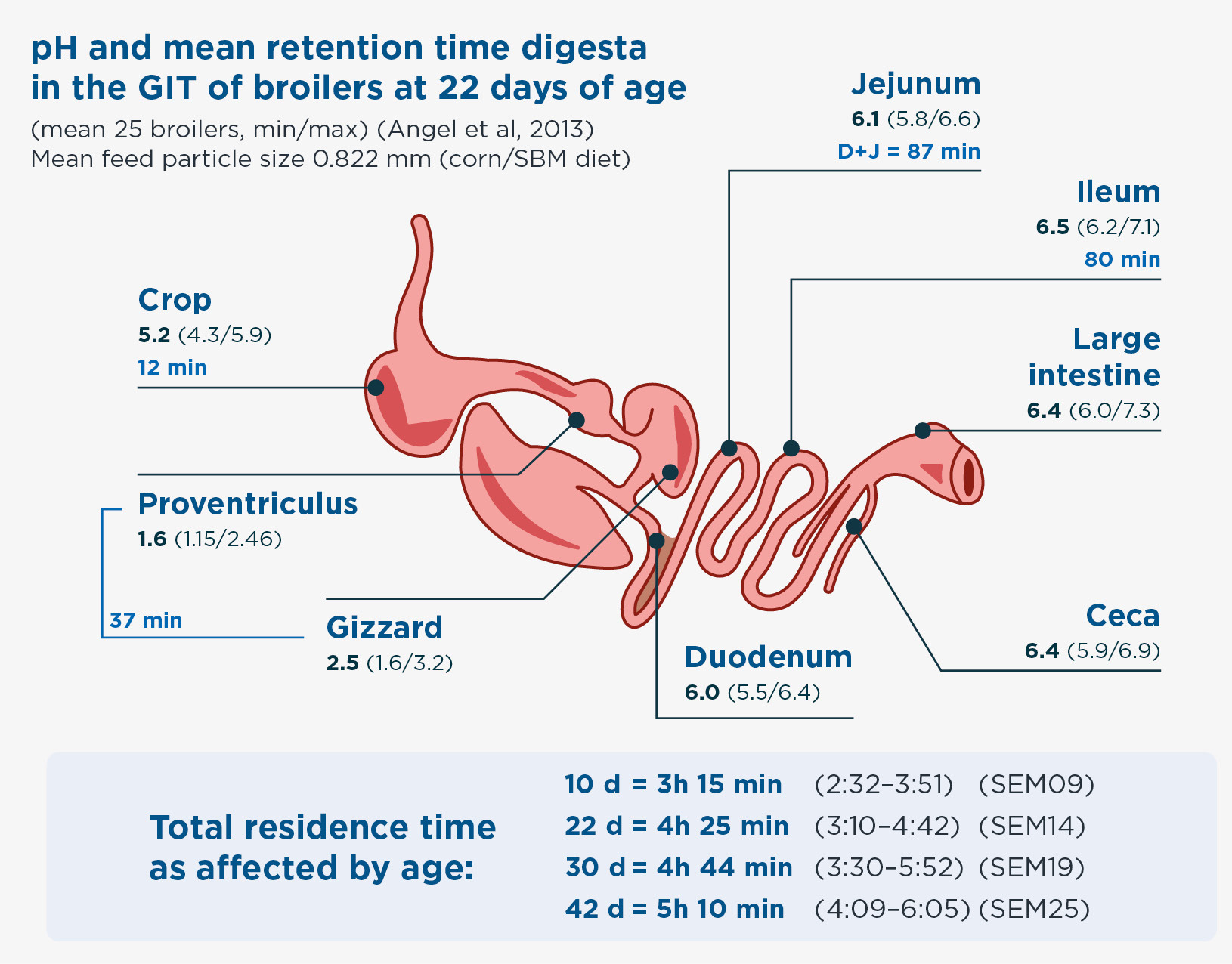
Central to such approaches is understanding gut function and physiology. The avian intestinal tract: the crop, proventriculus, gizzard, small intestine, and large intestine, converts feed into absorbable nutrients.
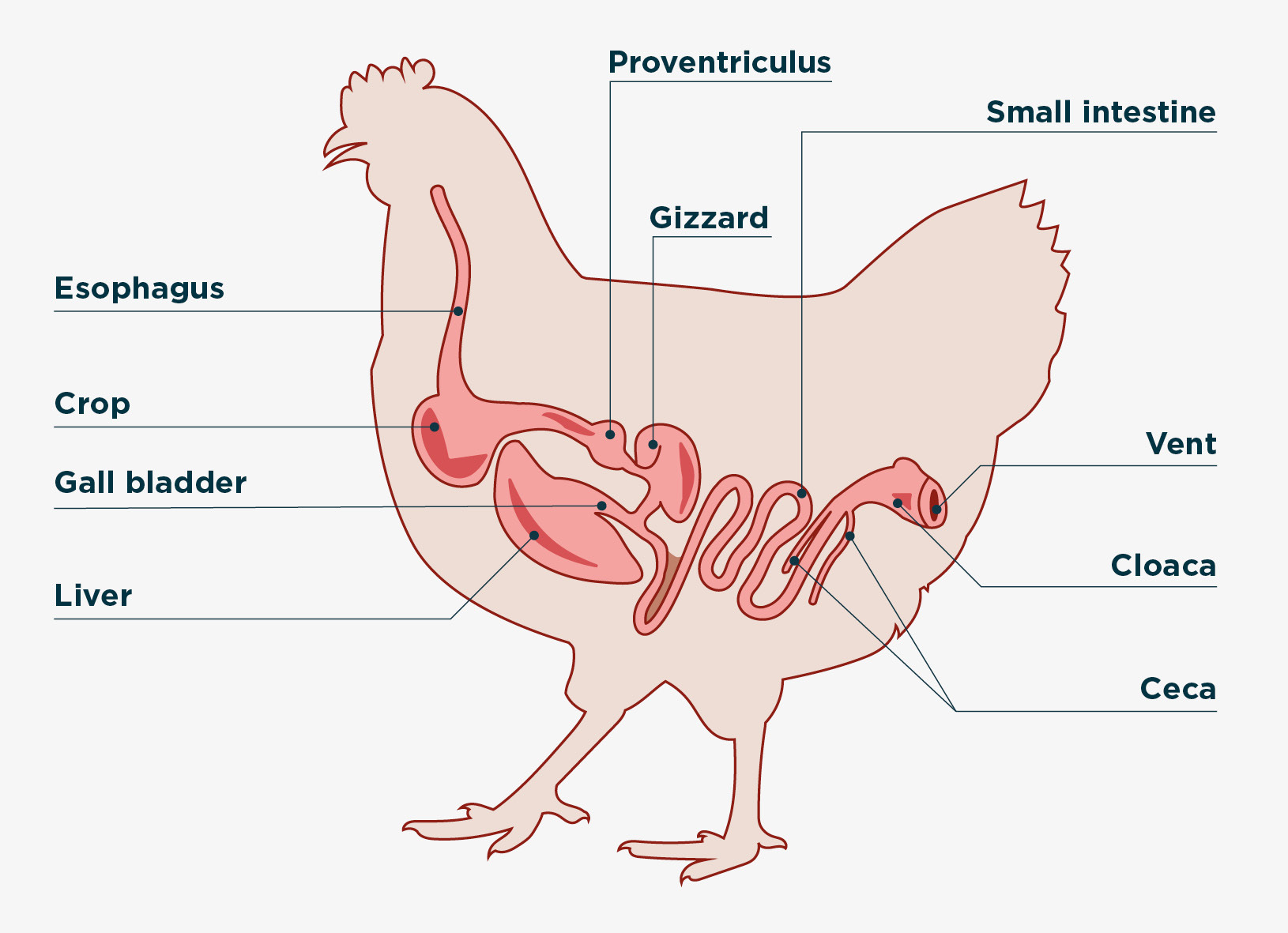
Digestion involves sequential processes: fermentation and storage in the crop; enzymatic breakdown in the proventriculus; mechanical grinding in the gizzard; and absorption of proteins, fats, and carbohydrates in the small intestine.
Residual material undergoes microbial fermentation in the ceca, producing short-chain fatty acids and vitamins that enhance nutrition. Gut health depends not only on digestion but also on the interplay of nutrition, microbiology, immunology, and physiology. Any compromise impairs feed conversion, increases disease risk, and results in economic losses, reinforcing its central role in antibiotic-free poultry production.
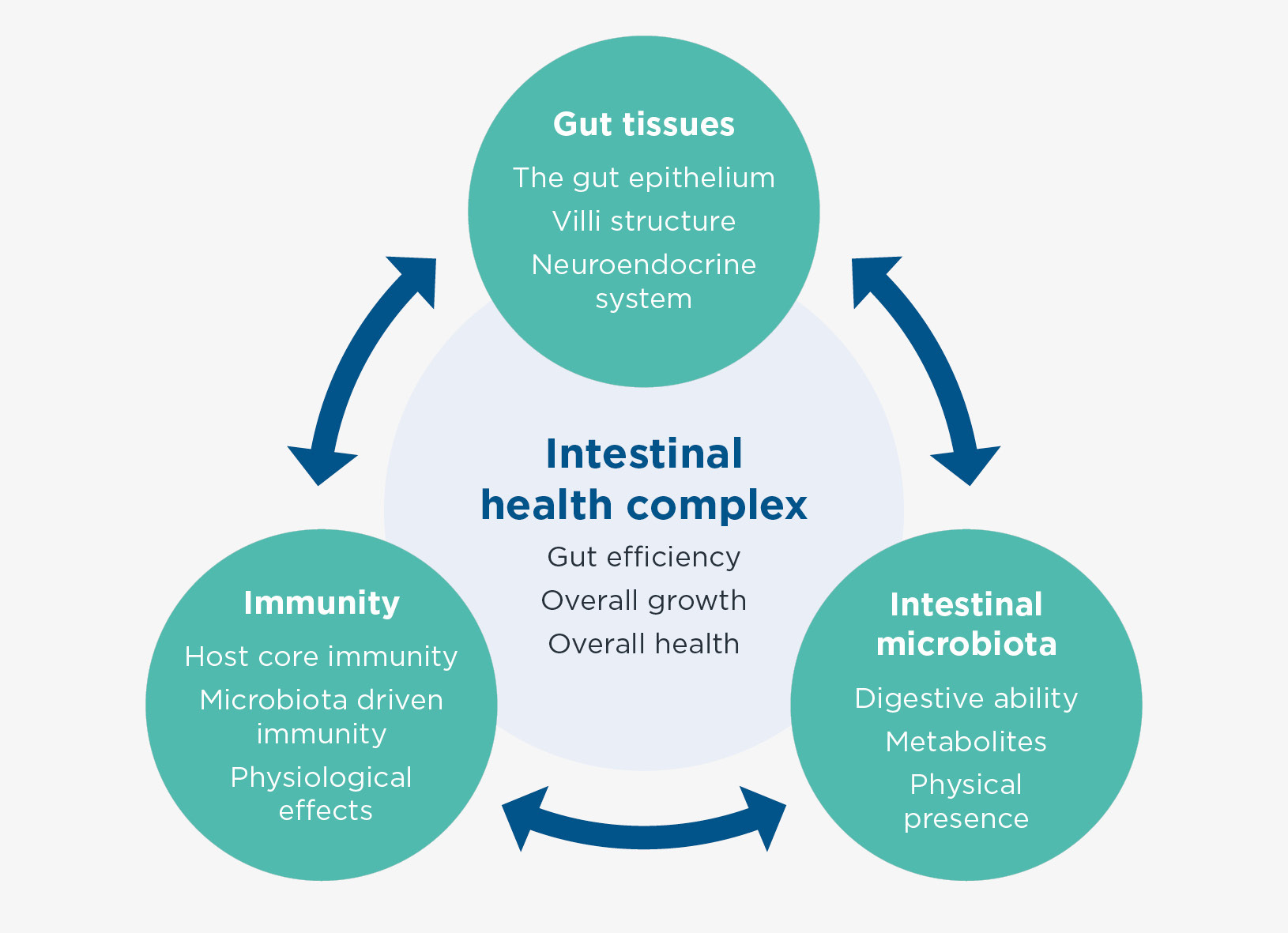
The gut health complex
The gut tissues, microbiota, and immune system have an intricate relationship. Each component relies on the other for the development of the gut and subsequent gut function. If one fails, all three will fail. Supporting each of these components is the cornerstone of gut health management.
Gut tissues
Successful poultry production depends on the proper development and maintenance of gut tissues, beginning in the egg. The final three days of incubation are critical; overheating during this period can impair embryonic gut formation and compromise post-hatch development.
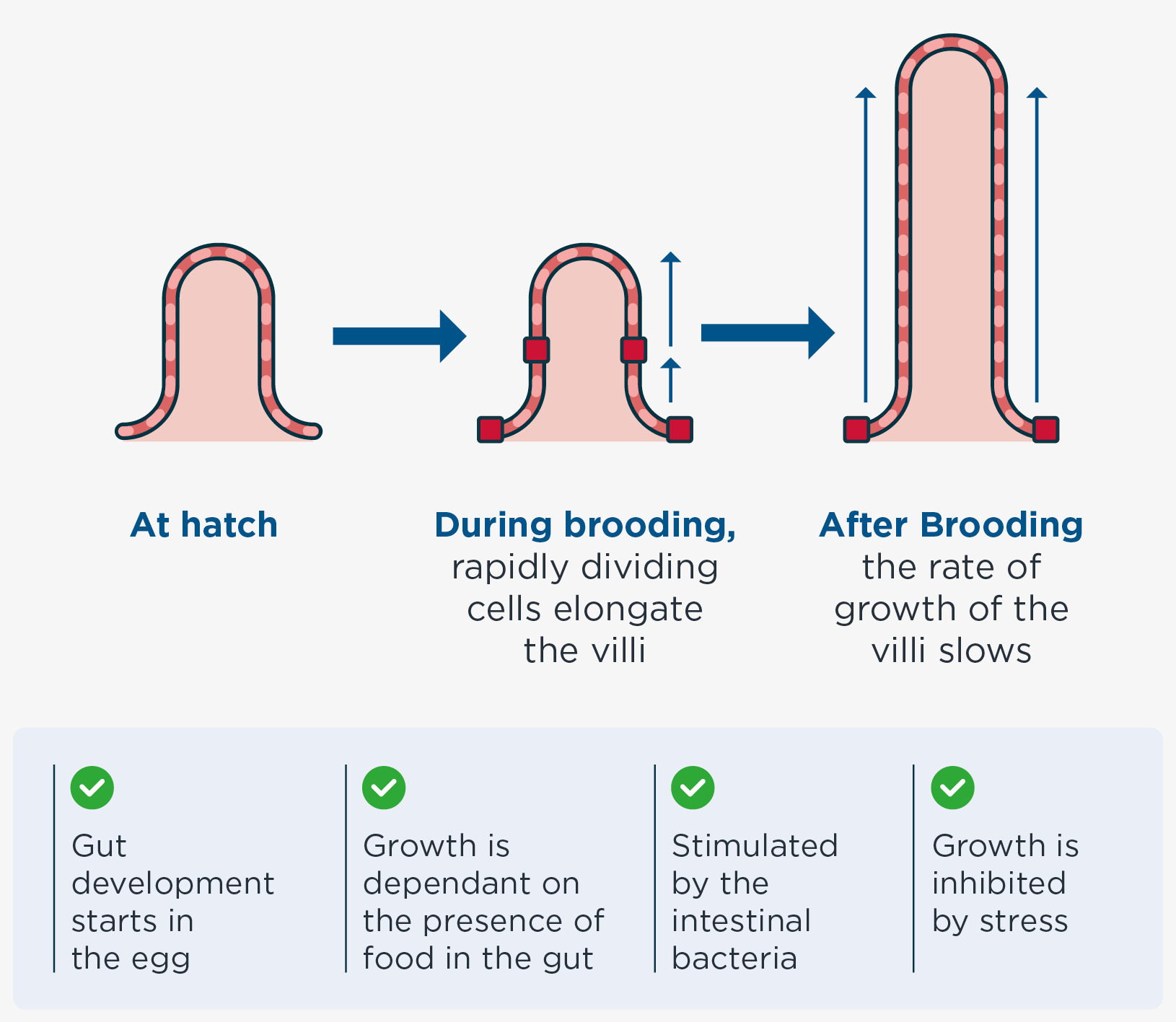
Once hatched, the gut grows four times faster than the rest of the body during brooding, making this the most decisive stage for lifetime gut health. Central to this process is villi growth in the small intestine, which maximizes nutrient absorption. Most elongation occurs within the first 4–10 days, and poor villi development at this stage cannot be recovered, leaving birds permanently disadvantaged.
Optimal brooding conditions—stable temperature, humidity, and immediate access to feed and water—are essential, along with beneficial bacterial activity.
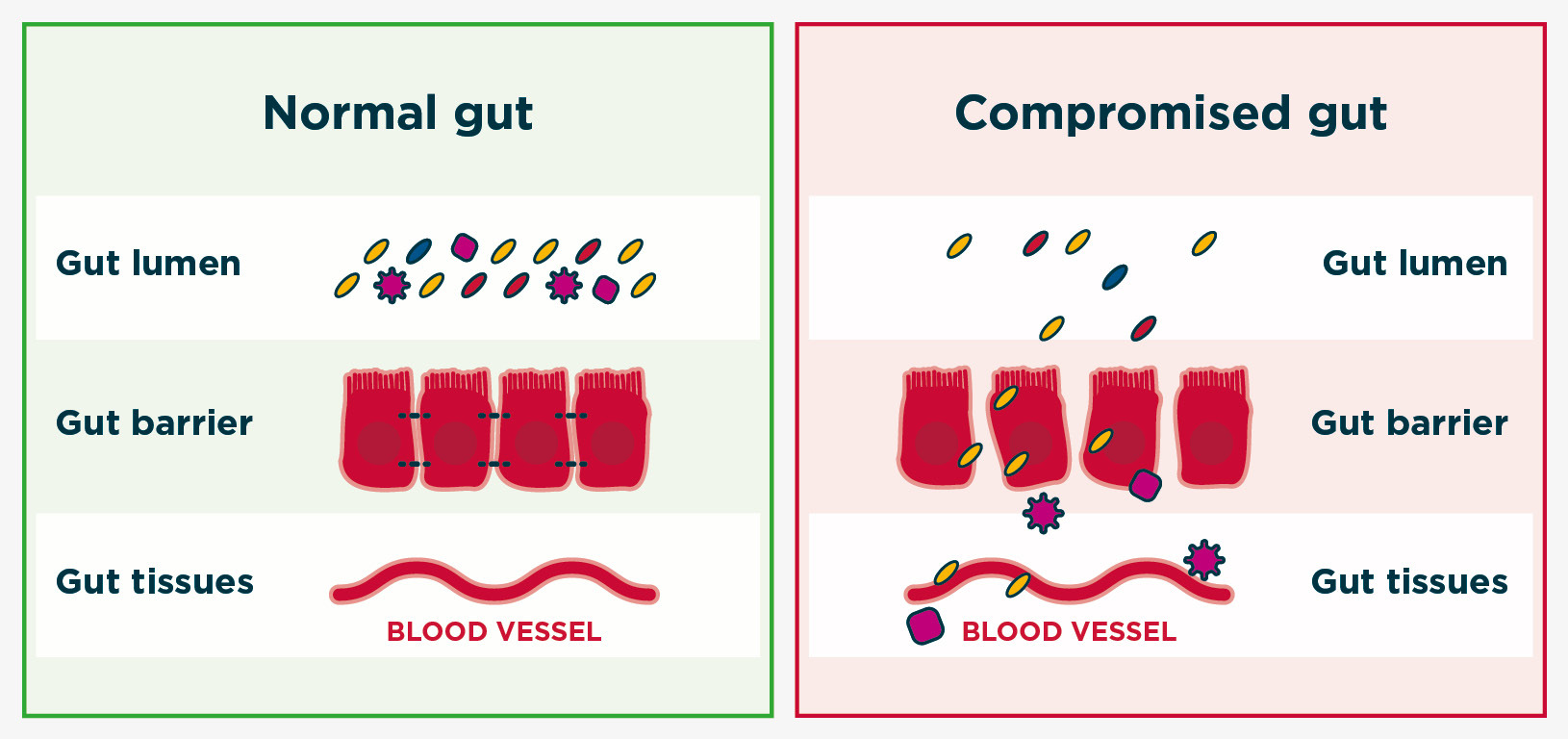
The intestinal lining, or gut barrier, provides further protection. Formed by epithelial cells joined by “tight junctions,” it prevents pathogens from penetrating deeper tissues. A compromised barrier can lead to diseases such as necrotic enteritis, or allow pathogens to spread systemically, causing conditions like bacterial chondronecrosis, peritonitis, or endocarditis. Although early management establishes the barrier, its integrity can be undermined throughout life by poor nutrition, coccidiosis, heat stress, or mycotoxins. Protecting gut tissue development and barrier function is therefore fundamental to health, performance, and antibiotic-free production.
Gut microbiota
The gut microbiota (bacteria, fungi, protozoa, and viruses) plays a central role in poultry health. DNA-based studies estimate that broilers host 600–800 bacterial species, though diversity and abundance vary across the gastrointestinal tract. Colonization begins immediately at hatch, with pioneering microbes establishing communities in the crop, ileum, and ceca within 24 hours. As the gut matures, microbial succession occurs, with stable communities forming after 7–10 days under good brooding, feed, and water conditions, and reaching an adult profile by 3–4 weeks.
The microbiota interacts closely with gut tissues, stimulating villi growth, strengthening the gut barrier, and supporting epithelial renewal for nutrient absorption and resilience against disease. Beneficial microbes also provide protection through competitive exclusion, occupying binding sites and producing inhibitory compounds that suppress pathogens such as Salmonella, Campylobacter, E. coli, and Clostridium perfringens. Beyond local defense, the microbiota is essential for immune system development, maintaining a state of readiness against infection. Additionally, microbial fermentation of indigestible fibers produces short-chain fatty acids and other nutrients, further enhancing growth and feed efficiency.
Gut immunity
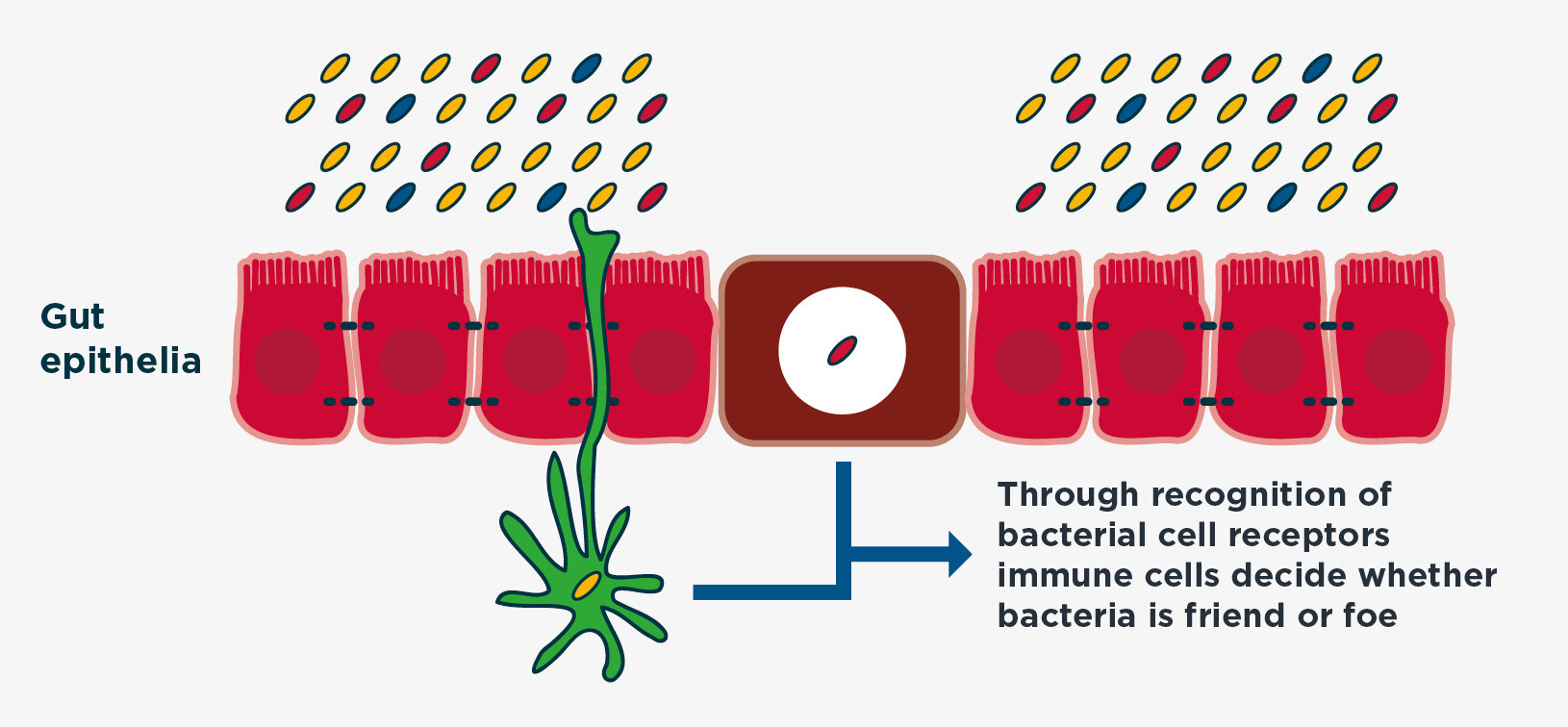
The gut is not only a digestive organ but also a major immune site, housing an estimated 70% of circulating immune cells. This makes gut function central to a bird’s disease resistance. The microbiota continually stimulates immune activity, keeping defenses primed.
Early in life, immune cells “learn” to distinguish between beneficial microbes, such as Lactobacilli, and pathogens like E. coli. This education slows with age, meaning novel bacteria encountered later are more likely to be misclassified as threats. For this reason, early microbiota support, such as probiotic supplementation, is critical for shaping immune tolerance and responsiveness.
Maternal antibodies transferred via the yolk also play a vital role in early immune protection. Effective yolk absorption depends on good hatchery and brooding conditions, alongside prompt access to feed and water. Without this, yolk reserves may be retained or misused as nutrients, reducing antibody transfer. Thus, gut immunity depends on both microbial stimulation and maternal antibody uptake, both of which require precise early-life management.
Gut imbalance
Gut health depends on the coordinated function of gut tissues, microbiota, and immunity. Disruption in any of these components can create imbalance, particularly in antibiotic-free (ABF) or reduced-antibiotic systems where careful management is vital. Multiple stressors act additively, amplifying their impact. Imbalance typically presents as reduced growth, poor uniformity, wet litter, or increased mortality, all linked to nutrient malabsorption. Excess nutrients in the gut fuel bacterial overgrowth, often of harmful species that trigger inflammation, further depressing performance.
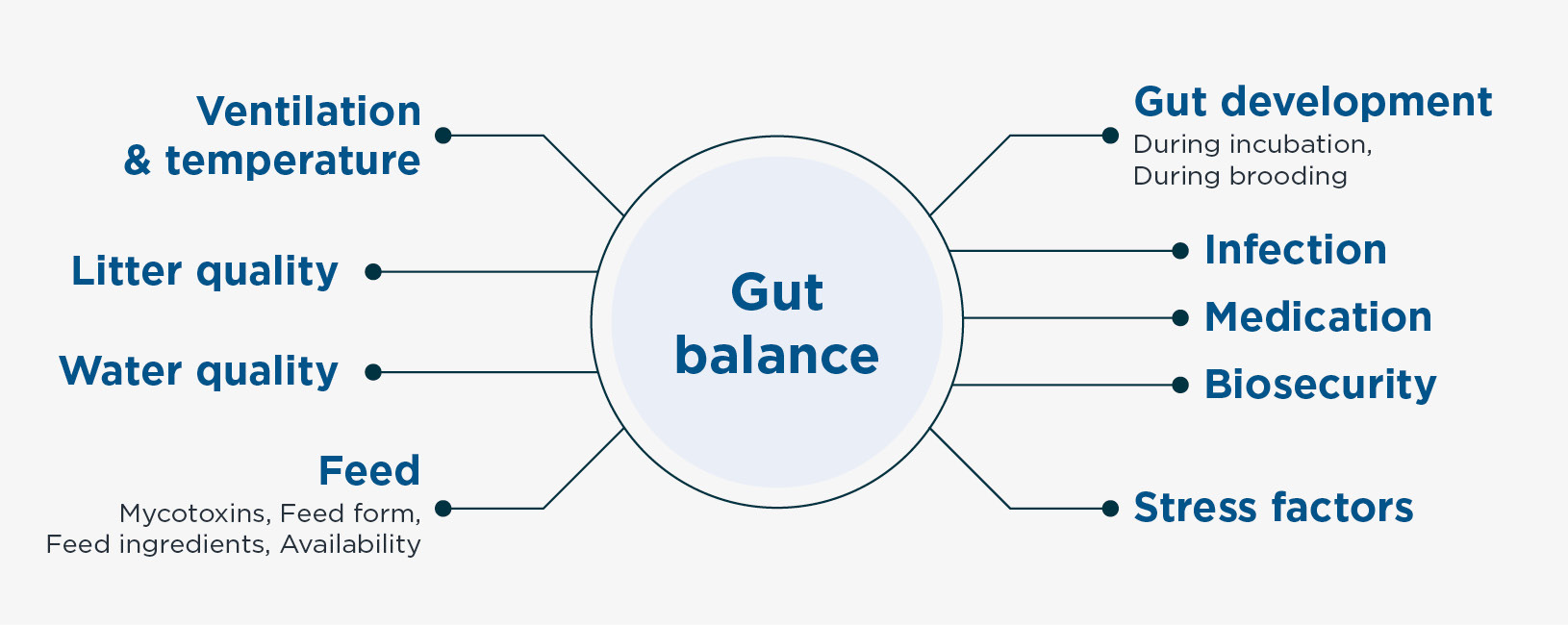
Historically, antibiotics were effective at restoring microbial balance, but problems often reappeared if underlying causes were not addressed. In ABF production, prevention and early detection are critical: management must focus on minimizing challenges, identifying root causes, and applying non-antibiotic interventions promptly to restore balance and protect flock health.
Water and feed quality
In ABF systems, water and feed quality are central to gut health. Both can introduce pathogens, making hygiene and sanitation essential. Mineral composition of water influences gut function and microbial activity: high sodium can cause wet litter, iron promotes E. coli proliferation, and alkaline pH (>7) favors pathogens and biofilm formation in water lines. Feed quality is equally critical—excess fines impair gizzard function and digestion, mycotoxins inflame and suppress immunity, while oxidized fats and poor proteins induce oxidative stress and compromise the gut barrier.
Gut and stress factors
Chronic stress undermines gut health by weakening tissues, immunity, and microbial balance. Heat stress, for example, damages the gut barrier, enabling bacterial invasion. Poor environments and management elevate stress hormones, suppressing immunity and impairing chick immune development. Stress can also alter microbial behavior—stimulating pathogens such as E. coli, Enterococcus, and Campylobacter to grow faster or become more virulent. Effective gut health management therefore requires minimizing environmental and management-related stressors alongside nutritional and microbial strategies.
Gut health monitoring
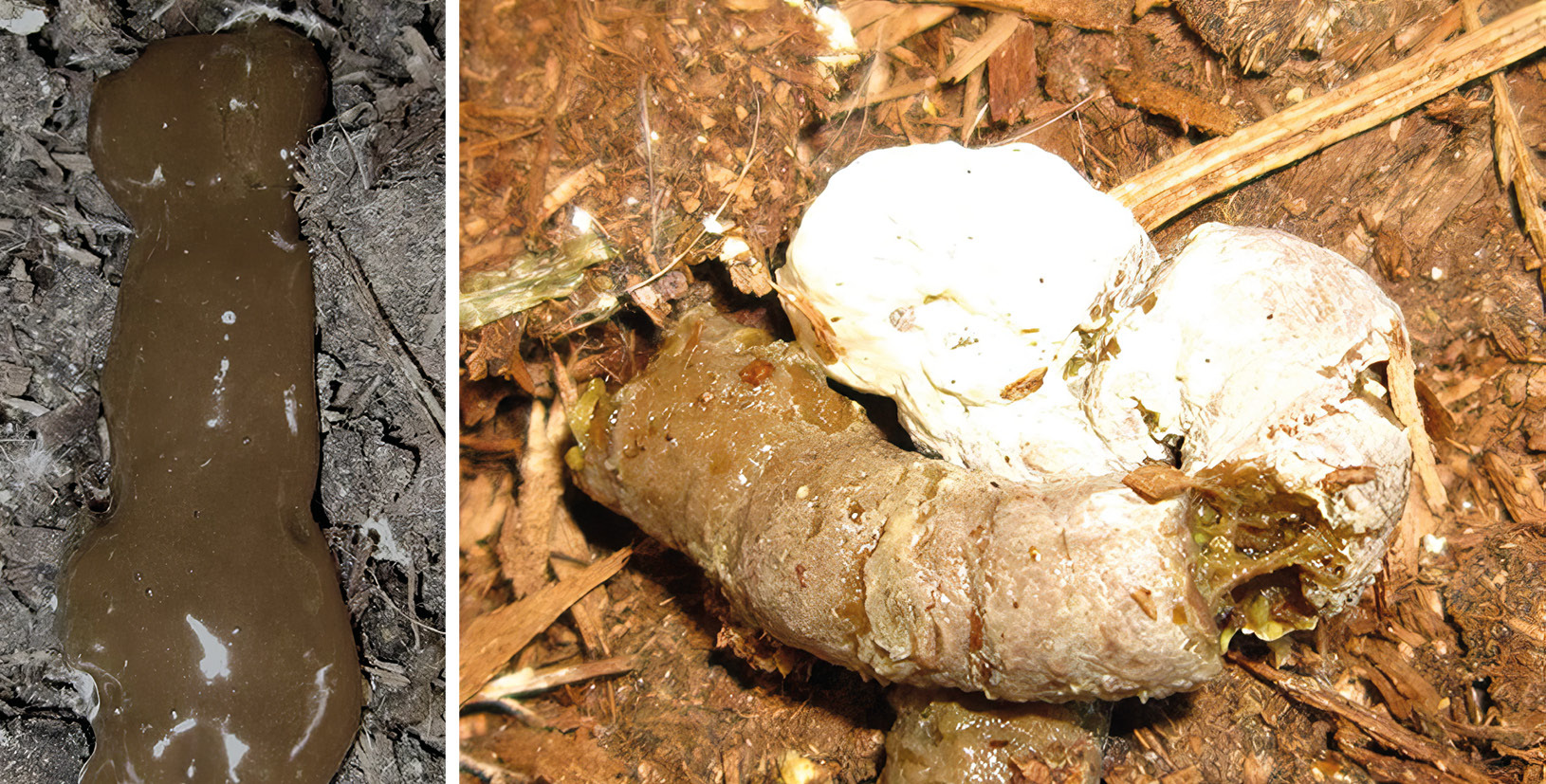
Daily monitoring is fundamental to ABF poultry systems, enabling early detection of gut issues before they become severe. While flock behavior, weights, and uniformity provide useful performance indicators, they often signal problems only after imbalances are established. More immediate measures include tracking water and feed intake—sudden shifts can indicate early gut challenges—as well as assessing fecal and cecal droppings for changes in consistency or color. In corn-fed birds, shank pigmentation also serves as a proxy for fat absorption and gut integrity.
When imbalances are suspected, rapid intervention is essential. Short-term use of gut health products such as probiotics, organic acids, or plant extracts can help restore microbial balance and support tissue repair. 3-4 days is typically sufficient for the renewal of gut health linings cells. However, addressing root causes is critical to prevent recurrence. While ABF production prioritizes non-antibiotic interventions, antibiotics remain a necessary and justifiable treatment in cases of significant disease under veterinary guidance.
Gut health strategies
Optimal gut health in poultry, particularly in ABF systems, requires understanding the bird’s needs throughout its life. Gut health management should focus on alternative strategies rather than trying to mimic antibiotics, as the gut has different requirements at each stage of development.
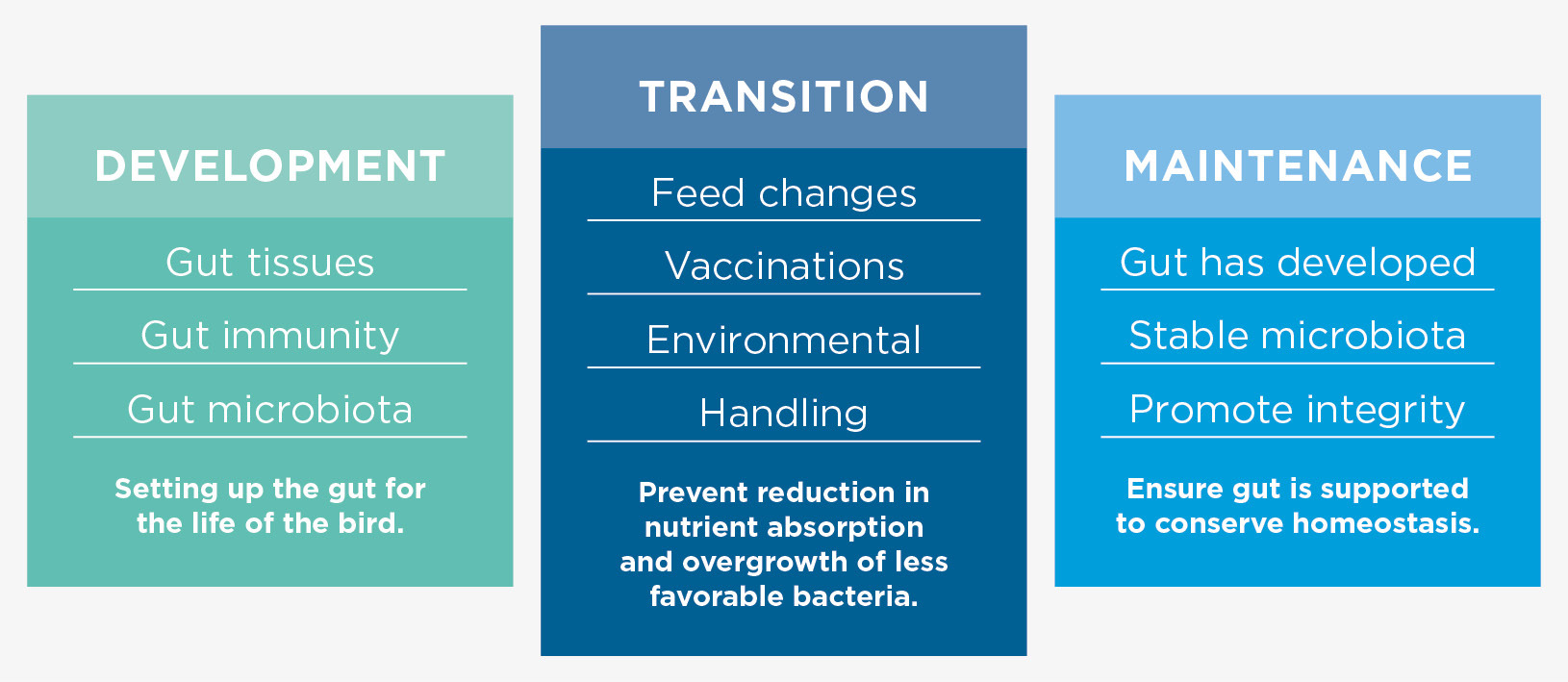
Development Stage: The goal is to stimulate gut tissues, immune development, and establish beneficial microbiota. Optimal brooding conditions, immediate access to feed and water, and early use of probiotics or organic acids support colonization by beneficial bacteria.
Transition Stage: Gut fluctuations occur due to feed changes, vaccinations, handling, or environmental stress. These can disrupt absorption and microbial balance, potentially increasing disease risk. Strategic administration of gut health additives, careful scheduling of management events, and antioxidant support during heat stress help maintain balance.

Maintenance Stage: Once the gut reaches balance, ongoing support is necessary to prevent disruption from pathogens or management challenges. Regular monitoring, optimal bird management, and maintaining water and feed quality are essential, with gut additives used as needed.
Conclusion
Successful gut health and bird performance in ABF or reduced-antibiotic systems rely on understanding the interplay of gut tissues, microbiota, and immunity, allowing for stage-specific support throughout the bird’s life.



 8 July 2026
 1
minute read
1
minute read