







IPPE: Hy-Line offers expertise for shifts to cage-free alternative systems
Hy-Line's Jamie McIntosh was hired to support transitions to alternative systems around the globe
 By:
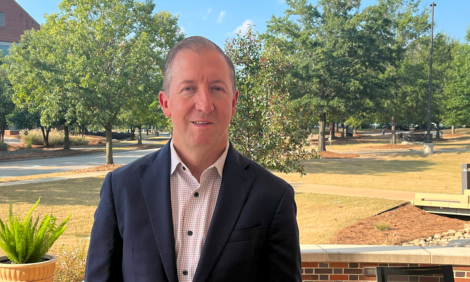
By: Jamie McIntosh, global technical services manager and alternative systems specialist at Hy-Line, was interviewed by The Poultry Site’s Sarah Mikesell at the 2025 International Processing and Production Expo (IPPE) in Atlanta, Georgia, USA.
What is your new role with Hy-Line?
I'm here to support the technical team, mainly in the alternative systems space helping with transitions that some companies will go through moving away from cage systems into alternative systems. I'm also here to help train different teams internally - that way they can learn the best practices for management of alternative systems. In addition, I’m helping our distributors and commercial customers with different management practices as well.
What are some alternative systems, including cage-free?
When we're talking about cage free, we're talking about diverse types of barn systems, the various types of free range systems and other organic systems. It really means being able to adapt to new requirements that different customers have in different countries due to legislation or industry expectations.
For the transition to alternative systems, do you have to optimize the genetics? Do you have to treat different birds differently?
At Hy-Line International we have a very capable bird, the Hy-Line Max, which is simply perfect for alternative systems. It's a highly active bird and it can find a nest easily. The W80 on the white egg side is similar too. There are two examples of birds that have been worked on the genetic side to adapt to these types of systems.
How do you lead producers through that process?
It all comes down to management and starts with rearing. If I were to give a company advice on what to do if they were transitioning to cage free, it would be to match the rearing system that they built as close as possible to the system where the birds will end up in and lay. It's crucial that that bird gets every opportunity to gain experience of how to be active and how to use the system so when they go into that laying house, they know how to utilize the various levels such as the nest boxes. They can easily learn where the feed and water are, so they're moving around in the best possible way.
Is it a learning process for the birds as well?
Absolutely. You want to make the job the birds have as easy as possible, so you're not challenging them too much as they adapt to their different environment. It’s exactly the same for the people who are working with these systems. You want to make it as easy as possible on them as well to get the best results and make sure that the Hy-Line bird reaches its full genetic potential.

 1 July 2026
 2
minute read
2
minute read