





Novus celebrates life and legacy of Dr. Julia Dibner at Poultry Science Association Symposium
From methionine metabolism to microbiome science, Dibner’s work continues to guide the next generation By:
By: 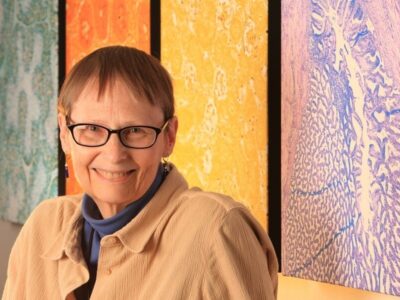
Last week at the Poultry Science Association annual meeting, Novus International honored the late Dr. Julia Dibner, a pioneering force in poultry science whose work continues to influence researchers and production systems around the globe.
During a dedicated symposium, Novus spotlighted Dr. Dibner’s wide-ranging contributions to poultry nutrition, gut health and metabolic research, recognizing her as both a pioneering research scientist and a generous mentor.
Dr. Mercedes Vazquez-Anon, Senior Director of Strategic Initiatives and Accounts Collaboration at Novus International, described the symposium as a heartfelt tribute to a woman whose work reshaped multiple aspects of poultry science over four decades.
“We covered Julia’s contribution to science through the years,” Vazquez-Anon said. “She was an amazing woman and her contributions have expanded from the 1980s. Her work included developing many of Novus’ products but her research set the standard for for many advancements in the global poultry industry.”
Research impact
Dr. Dibner’s research journey began with methionine and sulfur amino acid metabolism in poultry. Her work laid the foundation for understanding absorption, conversion, and the broader implications of these nutrients in bird health and development. From there, she pivoted to the role of antioxidants in oxidative stress, contributing to the development of additives like Santoquin that support immune function.
In the 1990s, Dr. Dibner helped redefine gut health strategies in poultry. Her research in early feeding led to the creation of technologies such as Oasis, which facilitated more rapid gut and intestinal development during the earliest stages of life. This early feeding innovation enabled improved nutrient absorption and health resilience later in life.
“She also did a lot of work with gut health in general and that led to technologies such as blend of organic acids,” Vazquez-Anon said.
Her expertise extended to disease mitigation as well. Dibner contributed to the development of a coccidiosis vaccine and explored strategies to reduce antibiotic reliance in poultry systems.
“The most cited paper for poultry science was written by Julia on antibiotics at that time,” she said. “She was looking at ways to replace antibiotics.”
This was long before antibiotics and antimicrobial resistance became a mainstream concern.
Dibner’s impact also touched the gut microbiome. Through organic acids and animal models, she explored how dietary interventions could shape gut flora. She also examined the early development of both the immune system and the skeletal system, recognizing how nutrition at critical stages could reduce lameness and bone issues in broilers. These insights became increasingly relevant as the industry focused on animal welfare and performance longevity.
Her development of trace mineral technology, including Mintrex® Bis-Chelated Trace Minerals, added another layer of influence. These innovations addressed skeletal integrity, immune function, and overall bird performance, reflecting her understanding of how molecular nutrition interplays with broader physiological outcomes.
“She was a great cell biologist and was able to collaborate with many people in the nutrition side,” said Vazquez-Anon. “That’s what made her such a strong collaborator.”
Indeed, Dibner’s collaborative spirit became a theme throughout the symposium. Her ability to complement colleagues' strengths – whether in physiology, nutrition or immunology – made her a central figure in multi-disciplinary research teams. According to Vazquez-Anon, this capacity to bridge gaps between scientific disciplines helped accelerate innovation and led to long-lasting partnerships.
Mentor impact
The symposium also featured testimonials from researchers who had worked alongside Dibner, including Dr. Todd Applegate and Dr. Walter Bottje, both of whom shared stories of her scientific influence and personal mentorship. Dr. Applegate spoke about his early graduate school interactions with her, while Dr. Bottje discussed their joint research on oxidative stress, liver metabolism and mitochondrial function.
The symposium also highlighted Dibner’s enduring influence on young scientists. One early-career researcher, Zehava Uni at Hebrew University in Israel, described how her current work in early nutrition and in ovo feeding was directly inspired by Dibner’s research from two decades prior. These reflections underscored how Dibner’s legacy continues to guide emerging leaders in poultry science.
Global impact
Beyond the research community, Dr. Dibner made an impact on a global scale. Whether developing technologies or mentoring the next generation, Dibner’s reach transcended geographic boundaries and academic silos alike.
“Her presence was in Asia, South Africa, Europe, Latin America, everywhere,” said Vazquez-Anon.
Attendees described her as a pioneer, innovator and educator. She wanted to help people learn and was a natural educator.
The symposium affirmed that Dr. Julia Dibner’s work will continue to serve as a cornerstone of poultry research. From methionine metabolism to microbiome modulation and early chick nutrition, her discoveries laid the groundwork for many of today’s practices—and her legacy remains firmly rooted in both the lab and the field. And there’s no doubt her research, mentorship, generosity and insight shaped countless careers and will continue to do so.
To learn more about Julia's legacy, click here.

Sarah Mikesell
Sarah Mikesell grew up on a five-generation family farming operation in Ohio, USA, where her family still farms. She feels extraordinarily lucky to get to do what she loves - write about livestock and crop agriculture. You can find her on LinkedIn.
 3 July 2026
 3
minute read
3
minute read