




Pharmsure builds global presence around MS-H vaccine for Mycoplasma control
Pharmsure’s MS-H vaccine supports egg production, hatchability and flock health
 20 April 2026
 8 minute read
 By:
By: Pepijn van Unen, sales director at Pharmsure International, recently spoke to The Poultry Site’s Sarah Mikesell about Pharmsure’s MS-H vaccine, their plans for new products and geographic expansion of their business.
Tell me about Pharmsure and your role in the poultry health industry.
We are an oddity in the animal health industry because unlike most players, we are solely dedicated to poultry health and that’s part of our origin. Until now, we've been centralized in Europe, but we are currently expanding our outreach. We are better known for our product – MS-H vaccine – than as a company.
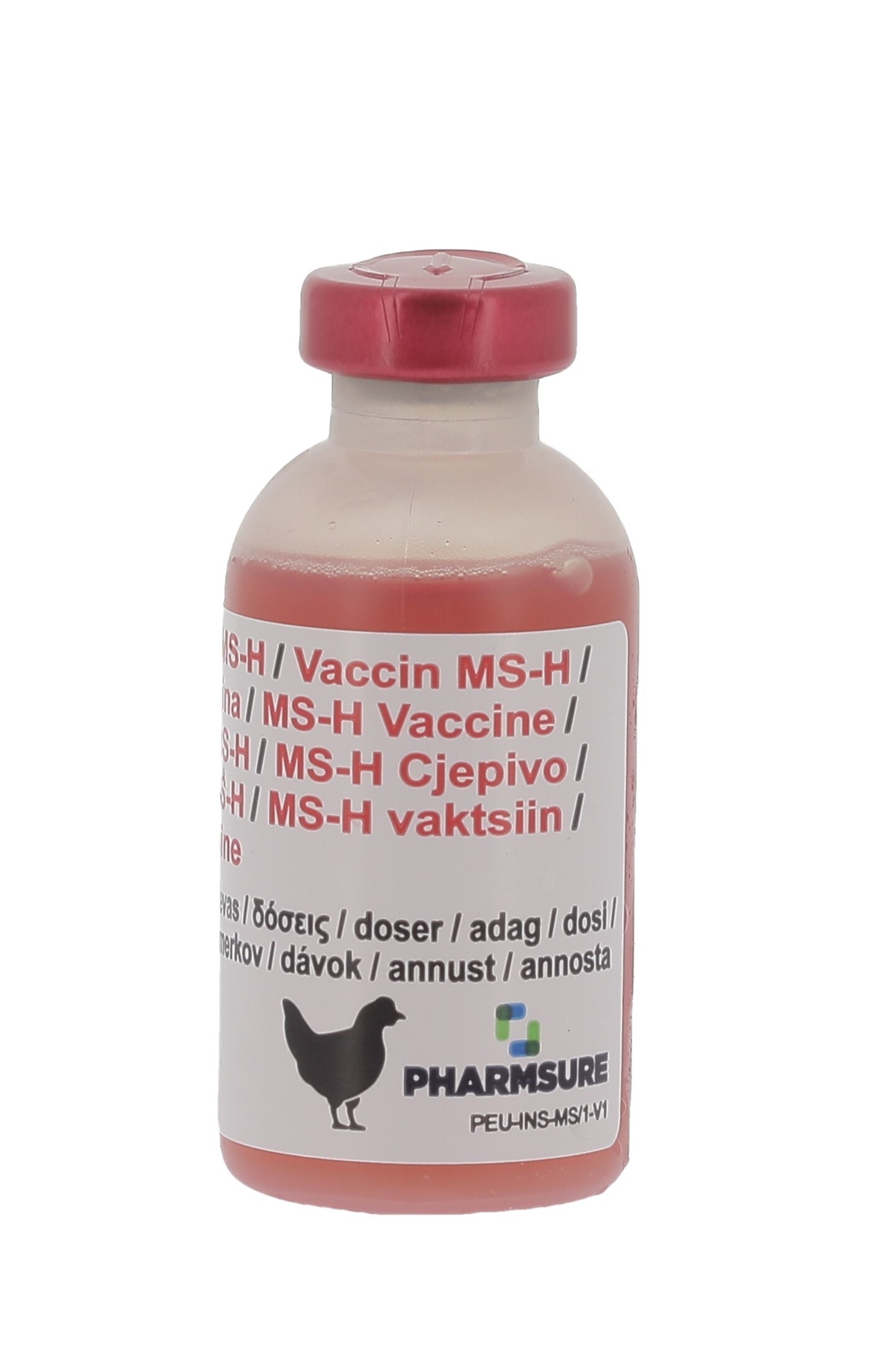
Pharmsure identified a niche in the European market a long time ago that had not been explored by the big pharma companies, so we set up and registered a live thermo-sensitive Mycoplasma synoviae vaccine, produced by a company called Bioproperties Pty Ltd in Australia. It is a vaccine for long living birds, including broiler breeders, layer breeders and commercial layers, and it is widely known as Vaxsafe MS. Pharmsure registered this product in the EU in 2011 and there the official name is MS-H vaccine.
We've been selling MS-H through a distribution network in Europe since 2012. It is available in all EU states as well as the United Kingdom and Ukraine.
We are nearly a one product company. We have a few other products, but we are mainly known for MS-H. This has some challenges, but it has also made us experts in avian Mycoplasma. Many poultry veterinarians might not recognize the Pharmsure name, but they do know our MS-H vaccine.
In some European markets, it's referred to as “the Australian vaccine”. Since 2012 when we started, we've outgrown the niche that we identified. The market dynamics have changed so much, and interest and actual need to control Mycoplasma have grown.
Why is Mycoplasma synoviae such a challenge for modern poultry production?
Mycoplasma synoviae (MS) is highly contagious. It spreads both vertically and horizontally and causes respiratory disease, including infectious synovitis and eggshell apex abnormalities. The worst impact is that an infected bird becomes a carrier for life. This disease has always been a challenge for the industry, especially with co-infections, but its effects on production were somewhat suppressed by the use of antibiotics. However, antibiotic usage has changed over the last 10 years, especially with dramatic cuts to usage in Europe. Now, veterinarians are seeing an increase in clinical and subclinical signs of Mycoplasma, especially when there are other respiratory or immunosuppressive diseases present.
Can you share data on prevalence of the disease?
There is data published in various markets. Most European studies show that up to 35% of broiler breeders are infected. The infection rate in commercial layers is even higher. We see numbers published as high as 95%, which is a large majority of flocks.
It’s incredibly difficult to keep your farms MS-free with just biosecurity measures. Vaccination is the only long-term prevention method, and it’s more efficient and effective than the alternative which is routine antimicrobial use. We cannot forget the welfare aspect, meaning we want to prevent instead of treating.
Tell us more about MS-H vaccine?
Right now, ours is still the only live Mycoplasma synoviae vaccine on the market. We've been selling it in Europe for approximately 14 years. In Australia, it has been around since 1995. It has an impressive track record as the main tool for prevention of MS in breeders and layer flocks, as it prevents vertical transmission.
What is the value of MS-H to a poultry producer?
The strength of MS-H is most easily expressed through our market penetration and the number of veterinarians and poultry producers that have decided to implement our vaccine to maintain animal health. The producer will see higher egg production, fewer second quality eggs, better eggshell quality, improved hatchability and improved FCR. There’s a solid return on investment, reduced risk and the knowledge that you're keeping your birds healthy.
What technical support does Pharmsure offer for this vaccine?
We have a very committed distribution network that understands the industry and provides excellent service. Until now, we’ve operated mainly in the EU, which is considered a common market, but it's not that common.
Local knowledge is still very important and as a small company we need our partners to provide knowledge and local technical support. We've made an enormous effort in finding distributors that provide the local poultry industry with sound advice and deal with the particularities of MS-H.
How is it different from other live vaccines?
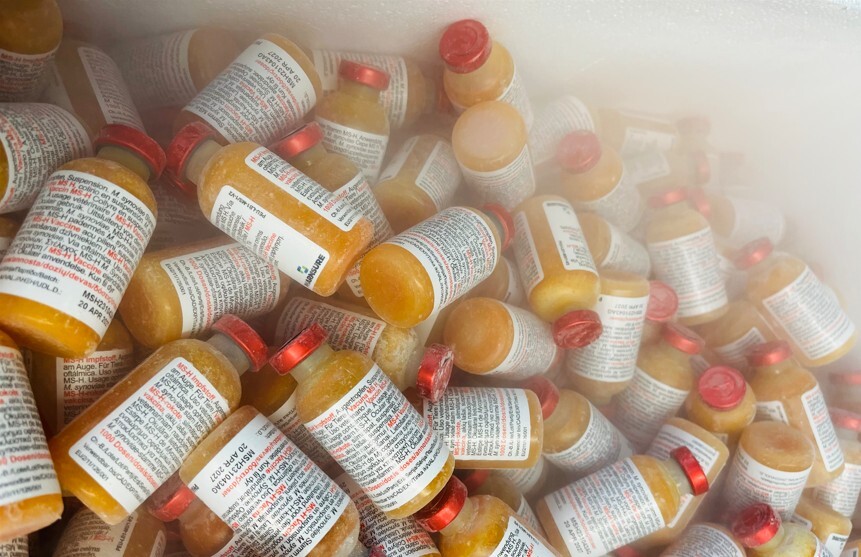
Most vaccines are either freeze-dried or kept in dewars with liquid nitrogen. Similar to Pfizer’s COVID vaccine, our vaccine must be kept at -70°C (-94ºF). When kept at an appropriate temperature, it has an impressive five-year shelf life. At -20°C, shelf life drops to four weeks, so that is meant for storage on-farm.
We ship this product on dry ice from the production site in Australia all the way to the end customer. This shipping goes in stages, and the product is kept in ultra-low temperature freezers -- first at the production site in Australia, next in our warehouses in Europe and then in the ultra-low temperature freezers at our distributors’ premises, who then ship it out to the final customer on dry ice.
It's a difficult process logistically; it has bottlenecks and requires a lot of planning. Thankfully, we've become good at this because we need the vaccine to be delivered in the right conditions.
Have you ever encountered logistical difficulties?
The veterinary pharmaceutical industry already has existing problems with stockouts. I’m proud to say that we've been able to avoid those with MS-H because we plan ahead.
There were a few sleepless nights during the COVID pandemic when there were hardly any flights from Australia to other continents. But we were able to keep our distributors and poultry farms supplied with a lot of hard work and a little bit of luck.
Since March 2022 our logistics challenge has been Ukraine. There are no flights in or out of Kyiv. We have found an alternative route of supply, and we offer many thanks to our Ukrainian distributor for keeping MS-H in the market. They're running the MS-H business mainly on generators, because their electricity supply is difficult at this time, and are still able to keep the cold chain in place. They’ve gone the extra mile, and that's why I want to recognize their efforts.
How does MS-H fit with the One Health Initiative worldwide?
The One Health concept requires a unified approach for both human and animal health. The average consumer still does not understand the steps that veterinary science has taken over the last few years to reduce the risk of antimicrobial resistance. Antibiotic usage has been drastically reduced in food producing animals, and poultry has been leading the way.
How does our vaccine fit? Vaccination has become the main driver to achieve prevention instead of treatment. MS-H fits right into that picture. Producers who use this vaccine won’t need to use anti mycoplasma drugs , and we recommend against using such antimicrobials because it may damage the efficacy of the vaccine.
In Western countries, we’ve seen demand in poultry meat shift to antibiotics-free. This has been seen in the US and Europe. Our industry is working towards being more sustainable.
If we want to satisfy that demand, we will have to produce accordingly. We cannot advocate for the use of antibiotics. If treatment is required, then yes, they should be used. But with a good vaccination schedule, we're helping producers to reach those sustainability goals that the average consumer is looking for.
Is the company planning to expand into new products or markets?
Yes - indeed, these are exciting times for us. We are looking to develop new products and reach new markets. We will continue to prioritize our focus on avian Mycoplasma – that's our expertise and it’s who we are and what we want to be known for. In Australia, our partner Bioproperties has recently registered a new Mycoplasma gallisepticum vaccine, named MG 304. We will be bringing that to the European market sometime in the future. We will be offering a full Mycoplasma package for our customers.
In other markets, we've already started doing this. We've registered an MS vaccine in Uzbekistan recently.
Our geographical expansion really started back in 2023. We were made aware of a specific opportunity that we thought was worth pursuing. We launched both Mycoplasma synoviae and Mycoplasma gallisepticum vaccines in Jordan. We've acquired quite a lot of knowledge about the poultry industry on the Arabian Peninsula and have now made the strategic decision to expand there.
Starting this year, we now have the rights for both these vaccines in other countries in the Middle East. Both the MS and the MG vaccines will be available in Saudi Arabia, Oman, UAE and Kuwait in the next few weeks.
Continuing along that line, Bioproperties has also entrusted us with developing the Mycoplasma vaccine market in a large part of Africa. This market stretches all the way from Algeria and Morocco down to Ghana and Nigeria.
We are extremely excited about this. It’s a completely new adventure for us. One in which we will have to get to know these new poultry markets. We're doing our best to acquire more knowledge and insight, so we can give the right advice and make sure our supply chain works as well as it does in Europe.
I'm sure Africa will have its challenges, but our objective is to build trust and long-term relationships. We will be launching in some African countries this year, but it is a long-term plan. Our Mycoplasma expertise and these vaccines will be tools that will be available in Africa too.
We believe that poultry producers everywhere should have the opportunity to protect their flocks and do so in a sustainable way. Antibiotic resistance is critical not only in the West but in developing countries as well. The Middle East and Africa are seeing population growth and their primary markets need to be able to feed their people. We expect a market increase in the poultry industry in these countries. We want to be part of that adventure and make sure that producers there that are currently investing in production will be able to profit and provide the right care.

Sarah Mikesell
Sarah Mikesell grew up on a five-generation family farming operation in Ohio, USA, where her family still farms. She feels extraordinarily lucky to get to do what she loves - write about livestock and crop agriculture. You can find her on LinkedIn.