





USSEC CrushCON 2025: From Illinois to Dubai: A farmer’s view of U.S. Soy
Rob Shaffer shares how sustainability practices, quality and relationships drive demand for U.S. Soy worldwide
 By:
By: Rob Shaffer, a soybean farmer from Illinois, USA and a member of the American Soybean Association, was recently interviewed by Sarah Mikesell in Dubai, UAE at the CrushCON 2025 event sponsored by USSEC and U.S. Soy.
What farming practices make US soybeans sustainable?
Number one is deforestation. There's no deforestation in the United States. A second factor is no-till as far as sustainability; we're not tilling the soil or eroding the soil. A third factor would be Global Positioning Systems (GPS), meaning we're not overlapping our nutrients or our seeds. We're putting the right product down at the right time at the right place and not overusing products.
For insects and weeds, we only spray insecticides and herbicides if there's a need. There has to be an issue above a certain threshold. We go out and scout our crops to make sure they're not over a certain threshold due to economic damage. If there isn't any or we're not at that threshold, we do not use the product.
What makes U.S. Soy unique?
One difference from our South American counterparts is that we let Mother Nature dry our beans. We don't burn firewood to dry our beans because we don't harvest them until they get to about 14% moisture. We let Mother Nature dry them. That's one big thing that makes the US soybean unique. This also means the soy has less cracks and damage which is especially important to the people who are buying our products. They get more quality out of U.S. Soy than they do from South American raised soy.
As a farmer yourself, what specific on-farm practices do you believe best demonstrate the sustainability leadership of the US soybean producer?
Just like in Illinois, if you’re from northern Illinois, you will have different protein and oil levels because Illinois is 504 miles (811 kilometers) long north to south. The Illinois Soybean Association has done a lot of studies on that because that's one of the things we get asked about all the time. Whether or not we can get more protein and oil depends on how Mother Nature gives sunlight and everything else.
We've done a lot of studies and found the protein and oil in Illinois are different than the levels in Minnesota or Arkansas based on the geographic region. When it goes into a barge, it may come from eight different states. You don’t know what it's going to be unless its identity is preserved where it was loaded in a container on your farm. That way, you know exactly what it was and where it came from.
The other farm practice is using technology like drones. We do a lot of scouting with drones with infrared and satellite imagery. Drones can also be used for looking for diseases ahead of time. We can stop those diseases and make our beans yield the best we can every year.
What future innovations or practices do you believe will further strengthen the sustainability advantage of U.S. soy?
There's a new technology out there that can identify if a bean is going to have a disease or if it's going to have something wrong with it. It gives off a special ultraviolet light that human eyes can't see. So, like See & Spray with John Deere, where they can see a weed coming before it comes up – it’s kind of like the sensors on the front of your bumpers on your cars. They're using those to look out ahead of them.
The sensors can see ultraviolet light that humans can't see. If the sprayer is going across the field, and there's a certain amount of ultraviolet light the bean is emitting, it knows that we need to go back and maybe get a different chemical or put a fungicide on it at a certain time that we can't visually see.
It will be a couple of years before that technology is available, but it's in the beta stages now. They're trying it on a few thousand acres right now. The biggest thing is they have to breed it. It requires certain breeding of the genetics for the bean. It'll be a couple of years before it will be available.
This has been a chance to talk to the people who are buying your beans, right?
Yes, I try to attend Soy Connext in the US every year that I can. It's always nice to meet the end-user that's buying your products. It's called relationship building, and farmers are all about building relationships as much as we can, no matter where they're from.
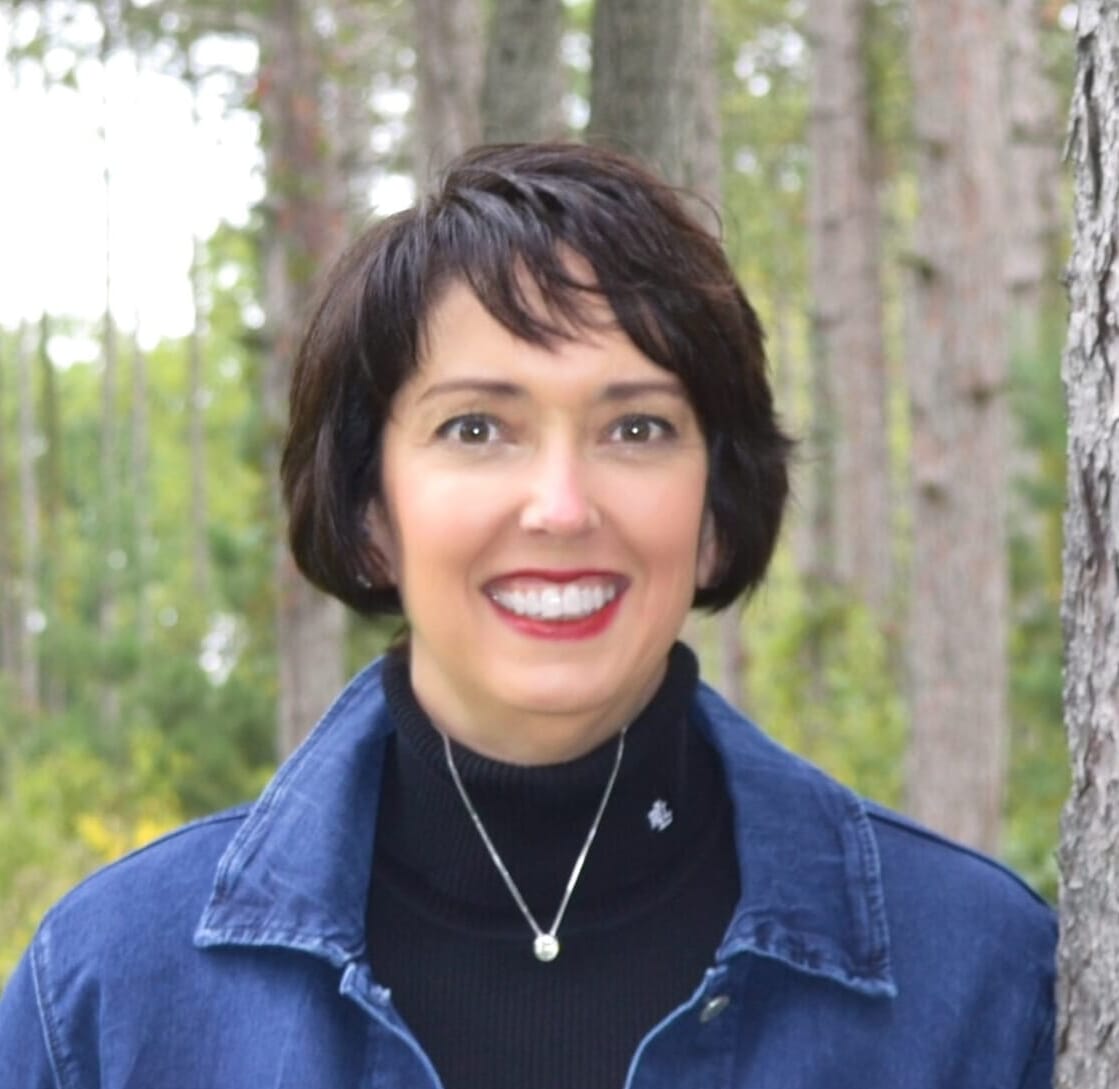
Sarah Mikesell
Sarah Mikesell grew up on a five-generation family farming operation in Ohio, USA, where her family still farms. She feels extraordinarily lucky to get to do what she loves - write about livestock and crop agriculture. You can find her on LinkedIn.
 3 July 2026
 3
minute read
3
minute read