





USSEC’s CrushCon 2025: ‘Fed with Sustainable U.S. Soy’ label finds growing adoption in MENASA
U.S. Soy’s SUSS label expands as companies seek compliance, differentiation and lower carbon footprints
 By:
By: Kevin Roepke, Executive Director of U.S. Soybean Export Council for the Middle East, North Africa and South Asia (MENASA), spoke to Sarah Mikesell at the USSEC CrushCon 2025 event held in December in Dubai, UAE.
You just wrapped up an an incredible event - CrushCon.
It was extraordinary, and it was the first event that really highlighted our combined region of the Middle East, North Africa and South Asia. That element alone added a little bit of spice and flavor that everybody appreciated because many of the markets here are on the same trajectory and path especially in poultry production, which is what brings us here today.
Sustainability was a consistent theme throughout the conference. Tell us about the SUSS label - what is it?
Sustainability was definitely an important theme throughout the conference, and one of the reasons is because it's gaining traction. And concepts that gain traction become elevated in major global events like this.
The SUSS label is the “Fed with Sustainable U.S. Soy” that we provide to customers that adhere to compliance regulations of 60% or more of their imports of soy coming from dedicated and verified sustainably shipped U.S. Soy.
What does the SUSS label mean for the industry?
We're on a journey. Sustainability is a journey, and every company goes through that trajectory. Every company goes through ups and downs. But one thing that we're seeing across the entire world is an improved awareness of sustainability.
Our farmers back home in the U.S. have been doing sustainable practices for generations. We have many 5th, 6th and 7th generation farmers, and sustainability is important for them. We're bringing that here.
In South Asia, we were proud to have Sri Lanka as the first market in South Asia to adopt the “Fed with Sustainable U.S. Soy” logo. From that one company, we now have over a dozen companies in the island nation of Sri Lanka. We've expanded our outreach to Nepal. We just signed four agreements for licensing the SUSS logo here today at CrushCon. We have great expectations of broadening and expanding the scope of the SUSS label in the Middle East and North Africa.
What are your expectations for the SUSS label in the Middle East and North Africa?
There are a couple things to keep in mind. Sustainability provides so much value to companies – there's an element of compliance and regulatory that it fulfills. The second aspect is a financing component, which enables you to adhere or embrace some green bonds. The third aspect is being able to differentiate your product and possibly receive a premium in the market for your product. The fourth aspect is attracting and retaining talent for sustainable business practices.
One of the things that we talked about this week was the importance that sustainability has for Millennials and Gen Z consumers. This is undeniable; it’s a wave. These target audiences are increasing their purchasing power and increasing their disposable income. They're becoming more discretionary and are becoming more loyal to brands that adopt and embrace sustainability. I give a lot of credit to our U.S. farmers who have led the charge, agriculturally speaking, on sustainable practices.
With respect to the Middle East and North Africa, we already have many loyal customers in the region. U.S. Soy is a premium product, and we are very proud of the product that we have. As a result, so are our customers.
We feel like there's value to be had in markets like Egypt and Morocco for them to use our labels to be able to differentiate their products, attract and retain talent and really create value for themselves. As we talked a lot about today, sustainability is shared value because this is a supply chain issue where much of the carbon footprint of animal agriculture comes from feed ingredients. One of the easiest ways to minimize your carbon footprint is simply shift to U.S. Soy because we have the lowest carbon footprint of all origins of soy. If you shift your diets and your formulas to U.S. Soy, you're automatically by default lowering your carbon footprint.
The second aspect is deforestation. In the US, we have zero deforestation. In fact, we're actually reforesting. And this is a significant competitive advantage we have in markets that are tributary to or have some type of connection with Europe right now. In their own domestic markets, deforestation is becoming a more and more common question that these companies are asking because they want to be sustainable and they want to be responsible themselves. Their boards are asking questions, their banks are asking questions, the stores that they put their products in and use shelf space are asking questions. It's not just a soy issue; it's a palm issue as well. The U.S. has a significant competitive advantage with the aspect of sustainability.
Every time we talk about sustainability, we're more enthused and inspired by the uptake that it brings. In fact, just at this conference alone, we asked the participants what values they prioritize when choosing soy from any origins. We were shocked at the responses on sustainability. Sustainability not only kept up, it blew away our expectations. This is exactly why it excites us for this region, and the growth and expansion to scope it out.
The education factor does make a difference. When people learn more about sustainability, it influences their decisions.
It all goes back to the U.S. Soy farmers. Without the farmers' dedication, focus and investment in sustainability, it wouldn't be possible.
Sustainability has been a very visionary element to add into our scope of U.S. Soy; it has many aspects of differentiation from zero deforestation to being a naturally dried product to higher digestibility. All combined, this makes a very valuable product that our customers are very loyal to and excited to purchase.
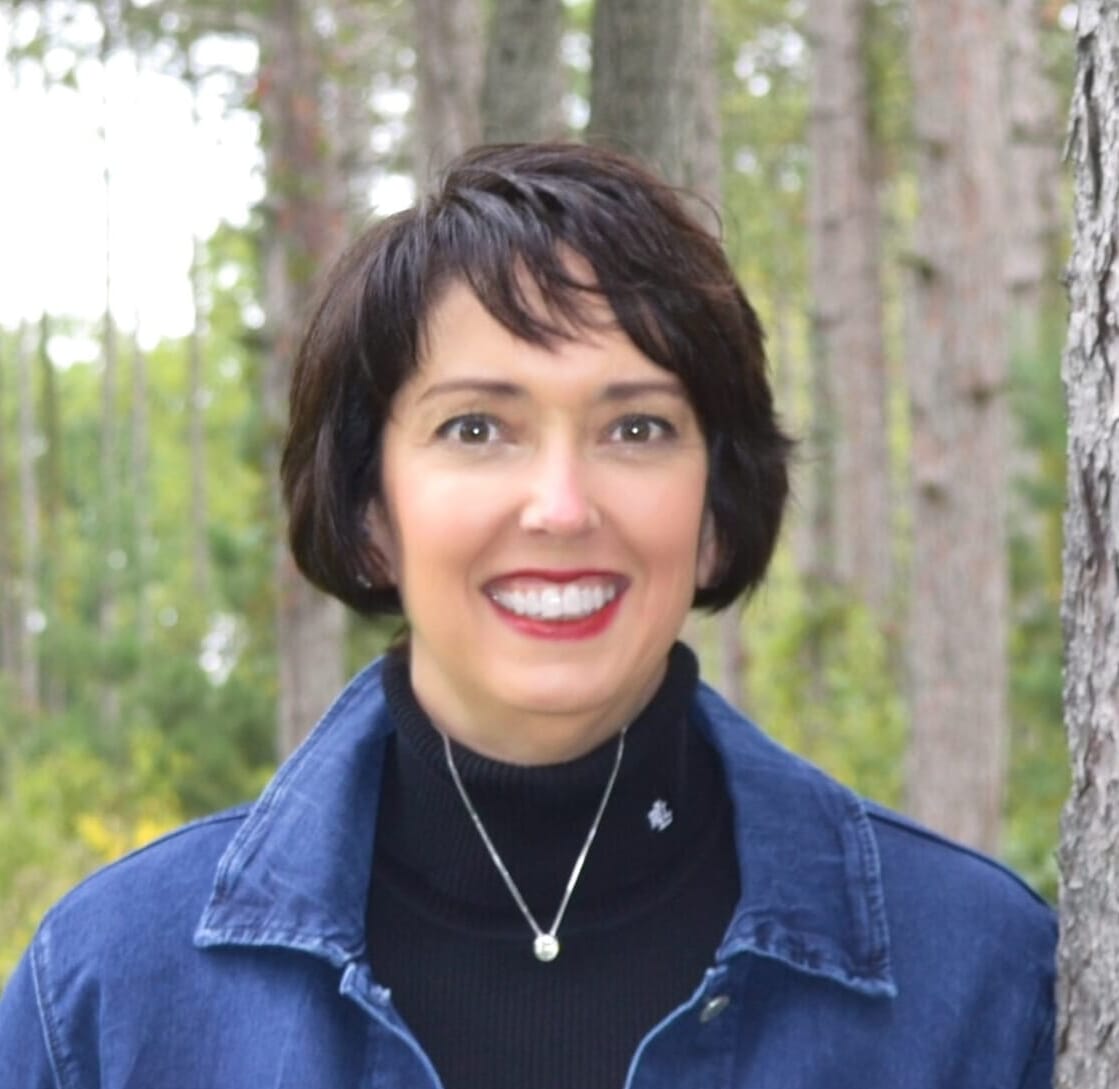
Sarah Mikesell
Sarah Mikesell grew up on a five-generation family farming operation in Ohio, USA, where her family still farms. She feels extraordinarily lucky to get to do what she loves - write about livestock and crop agriculture. You can find her on LinkedIn.
 3 July 2026
 3
minute read
3
minute read