






Why time matters in manure treatment
Composting manure is more than just waste management
 By:
By: Find us at VIV MEA at booth 07.D091
Composting as a natural process
Composting manure is more than just waste management – it is nature’s way of recycling organic material into something useful and safe. The key to success is time. Without enough time, the process is incomplete, the product is unstable, and its use in soil can cause more harm than benefit.
Aerobic composting is a controlled biological process in which manure is broken down by aerobic bacteria in the presence of oxygen. These microorganisms need both proper conditions and sufficient time to transform fresh manure into a stable and valuable organic fertilizer. When managed correctly, composting preserves essential nutrients, including nitrogen, and makes them more available to plants. At the same time, it sanitizes the manure by destroying pathogens and parasites, while also improving soil structure and long-term fertility.
What happens during aerobic composting?
The process begins when fresh manure is placed under aerobic conditions. Microorganisms immediately start to act, and the temperature rises to around 40-45 °C. At this stage, simple organic compounds such as sugars, amino acids, starch, and proteins are decomposed.
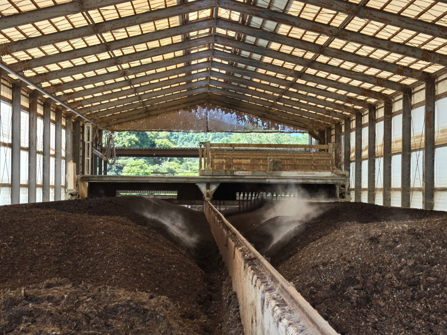
Figure 1 High temperatures during the process
As the process continues, the temperature increases further, reaching between 55 and 70 °C. This high-heat phase is crucial. At these temperatures, pathogens, parasite eggs, and weed seeds ca be destroyed. In addition, more complex fibers, such as cellulose, are broken down.
Once the active breakdown slows, the compost begins to cool and enters the maturation stage. During this period, the material becomes darker, crumbly, and stabilized. By the end, the compost is safe to use, rich in beneficial microflora, and an asset to both soil and crops.
The risks of immature compost
When manure is not processed for long enough, or when immature compost is applied to fields, problems can occur. Immature compost still can contain large amounts of sugars and easily degradable organic matter. Soil bacteria continue to decompose this material after it is applied to the soil.
To grow and multiply, these bacteria require nitrogen. Since they cannot distinguish between nitrogen in the manure and nitrogen in the soil, they use all that is available. This creates competition between soil microbes and crops. As a result, plants experience nitrogen deficiency, their growth slows, and yields decline. In such cases, the intended benefits of applying manure are lost.
Another risk relates to nitrogen forms. If manure is dried or processed incorrectly, nitrogen can accumulate in the form of nitrite (NO₂⁻), which is toxic to plants. By contrast, in aerobic composting, microbes rapidly transform nitrogen into nitrate (NO₃⁻), a stable and plant-available form.
Why time is essential
Time is not an optional factor in composting – it is fundamental. Only with sufficient time can manure pass through the necessary stages: heating, pathogen destruction, fiber breakdown, and gradual maturation. Skipping or shortening these stages results in an immature product that can harm crops and reduce soil fertility instead of improving it.
Giving the process time ensures that compost becomes stable, safe, and nutrient-rich. It also guarantees that the nitrogen it contains is in a form that plants can absorb efficiently, without causing competition with microbes or toxicity in the soil.
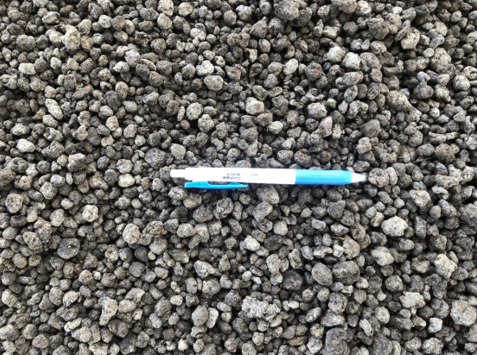
Figure 2 Final product
A trusted approach to composting
For more than fifty years, Kohshin Engineering, a Japanese company, has been developing reliable solutions for composting manure. Its equipment is now used in over 40 countries worldwide, including regions with very cold winters. Thanks to this experience, the composting process is automated, requires little manual labor, and helps farmers save space while achieving consistent results. This approach shows that composting is not simply about treating waste. It is about turning manure into a resource that supports soil, crops, and agricultural businesses. At the center of this transformation lies one essential condition: giving the process the time it needs.


 3 July 2026
 3
minute read
3
minute read