





Foundations of a good biosecurity program for broiler breeders
Protecting flocks helps secure our food supply By:
By: Part of Series:
As a broiler breeder producer, Cobb is at the beginning of the protein production continuum. Keeping broiler breeders healthy and secure is essential to producing protein and maintaining protein availability. Accomplishing this security requires implementing a detailed and rigid biosecurity program.
Highly pathogenic avian influenza (HPAI) has pushed the industry to rethink and upgrade biosecurity programs. Between April 2024 and April 2025, the bird flu virus affected over 90.9 million birds, hitting 336 commercial flocks and 207 backyard flocks across the United States. The loss of broiler breeder flocks to HPAI or other diseases can ultimately reduce protein availability.
Biosecurity must be integrated into all parts of a breeder management program. Farm management practices, protocols, and standards are designed to reduce the risk of introducing disease to the farm and flocks. The development of a strong biosecurity program includes employee commitment and training that stresses the importance of strict enforcement.
Development
Although the framework of a biosecurity plan is similar across all broiler breeder farms, the process, details and protocols are not generic. Each operation must create a plan to protect their farms. A few ways to help design the plan include:
- Identify and describe all important farm activities.
- Define which activities represent potential risks of pathogen entry into the operation.
- Use a risk assessment exercise to define the best actions to prevent pathogen introduction to the farm.
Flocks do not become infected with disease by chance. By tracing back over the processes, with all the standards, controls and records available, the source of an infection can be identified. Traceability provides the clues necessary to determine the potential source of infection. Any weaknesses in the program then can be fixed to help prevent future introduction.
People are considered the predominant source of diseases to a farm. However, other sources such as wild birds and fomites (objects that transmit pathogens) can readily introduce disease to farms and should not be ignored. In the case of a biosecurity breech, asking the appropriate questions and listening to the answers, are crucial to gather the information needed to identify issues and restore biosecurity. Consider the following when developing GMPs for your farm.
Farm Location:
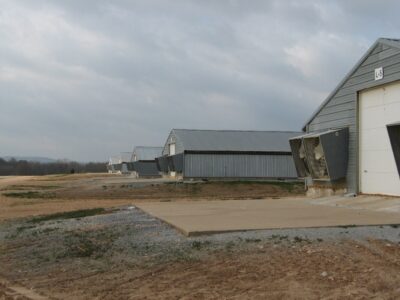
Consider the proximity of other farms and place as much distance between farms as possible. The topography and drainage of the location must prevent water pooling around the houses and inside them. Vegetation can act as a barrier but could also be an unintended refuge for wild animals. Keep poultry houses at a safe distance from busy highways or roads, especially roads that are heavily traveled by poultry vehicles.
Property Barriers:
A gate and fencing are the first lines of defense for any biosecurity program. Check all physical barriers daily. Holes in fences or opened gates cannot be tolerated. Installing a rodent barrier on the fence is an effective way to help keep rodents out of the farm.
People:
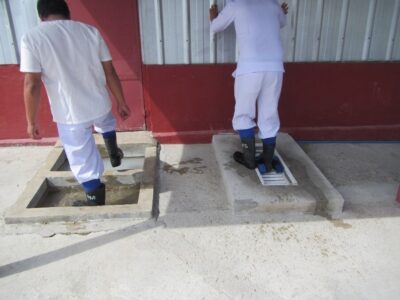
The procedures required to enter the facility must be clear and followed rigidly. Anyone entering the farm must pass through showering facilities and, after a thorough shower, change into clean clothes and dedicated footwear. Company team members who work at locations other than the farm and non-team members (visitors and contractors) may be granted access to the farm after being evaluated. They must undergo an assessment to determine if they have had any recent contact with birds, including backyard flocks, and the visit purpose.
Keep in mind that some pathogens can infect several species. For example, HPAI has been isolated from dairy cattle. If the farm is multi-species, employees should only work with one species. However, if employees must cross into other areas, then institute a mandatory showering policy before entering an area with a different species. Use dedicated footwear and clothing for each species.
Vehicles:
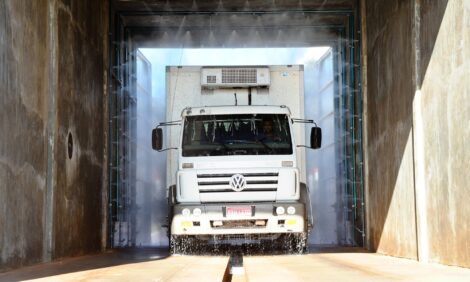
Severely restrict vehicle access. Allow only vehicles designated as essential including feed, eggs, placement, transfer, and processing vehicles. For nonessential vehicles, assess the vehicle origin and purpose. If access is granted, thoroughly clean and disinfect the vehicle at the farm entrance. In addition, collect information that allows adequate traceability of all vehicles entering the farm. Monitor the wash bay arches to ensure correct pressure and operation. Wash bays must also use appropriate disinfectants at the active dosage.
Feed and Water Quality:
Feed can present an infection risk if the raw ingredients were contaminated and the milling process was insufficient to kill microbes. Suppliers of raw feed ingredients should be audited regularly and samples tested to ensure consistently highly quality ingredients.
Keep in mind that finished feed can become contaminated. The feed milling, transportation, and silo filling on farms must follow clear procedures to preserve the feed microbiological quality. Sample and test feed before its given to the flock.
Like feed, water must be high-quality, and meet all chemical and microbiological standards. Provide fresh and clean water with a temperature below 25°C, ideally between 10 to 14°C. Cold water inhibits microbiological growth, while warm water supports bacterial growth and can lead to biofilm formations inside water lines. Water quality should be monitored daily. Sample and test water quality regularly.
House Access:
Access to poultry houses should be limited to reduce the risk of flock infection. Require boot dips or scrubs for each house. Hand sanitizer stations in each house is a good practice. If possible, keep doors to houses locked. In large operations with multiple houses, it is ideal to limit staff movement around the farm and access into houses.
Vermin Control:
For open-sided houses, window screens should be adequate to prevent wild birds from entering the house. Inspect screens regularly and repair tears or holes immediately.
A preventive program for rodents and flies must be used and maintained according to a schedule and checklist. Check with local regulations regarding the products used to control rodents and insects. Ensure that insecticides and rodenticides are controlled and stored in a safe and secured location.
Good Practices Inside the House:
- Spilled feed will attract wild birds and rodents. After filling feed bins, immediately clean and remove spilled feed and ensure feed bin covers are closed.
- Eggs must be collected at least 4 times per day (up to 6 during peak production) and placed in a temperature-controlled storage environment. Exposing eggs to high temperatures can support bacterial growth and increase the risk of cross-contamination.
- Washing and sanitizing hands often are effective practices to reduce contamination inside the breeder house. Wash and sanitize hands before performing any tasks including egg collection, sorting, and weighing as well as flock weighing, vaccination, and grading.
- Fungi and bacteria can grow in moist places. Therefore, do not allow standing water or puddles to form on floors. Seal all floor cracks as they can pool with water.
Cleaning and Disinfection:
Create a standard cleaning and disinfection protocol and check the performance of the protocol with monitoring and auditing. Validate the program with microbiological testing. Modify and adjust the detergents and disinfectants based on the results of the validations and audits.
Never disinfect before cleaning is complete. Washing the house and equipment thoroughly and using effective detergents are required to reduce organic material that can harbor pathogens. Follow thorough disinfection with regulatory approved agents that are known to be effective against specific microorganisms.
Conclusion
This article offers some founding principles of good biosecurity programs but is not comprehensive. A “one-size fits all” biosecurity program does not exist. Each farm must create and build a customized program. Once completed, keep in mind that biosecurity programs change over time. Audits may identify new breeches, while activities such as renovations and expansions can unveil needed additions to the program.
Sustaining protein availability depends on healthy broiler breeder flocks to propel the production continuum. A large part of keeping flocks healthy is a solid biosecurity program. However, even the best biosecurity program won’t protect a flock if it isn’t followed and practiced by all farm staff. Provide regular training and ensure management consistently models the best practices of the program.
For additional information about biosecurity programs, download our Cobb Breeder Management Guide at: https://www.cobbgenetics.com/resources/management-guides



 1 July 2026
 2
minute read
2
minute read